

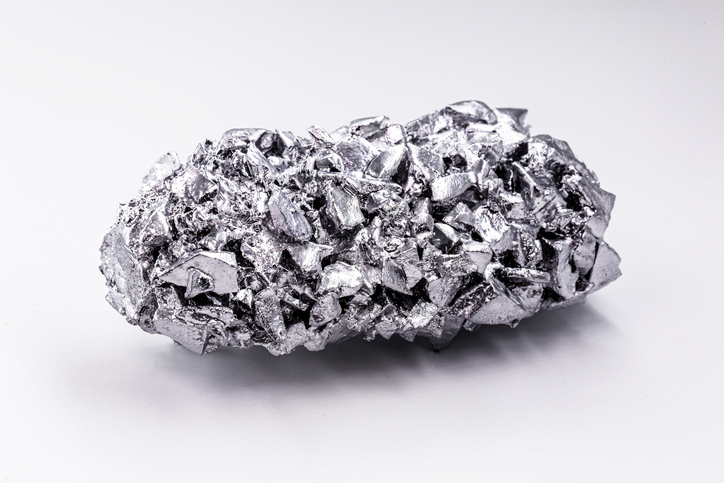
Titanium (Ti), a pivotal metallic element, plays a crucial role in the domain of hydrogen energy with diverse applications. Titanium serves not only as a hydrogen storage material but also finds utility in hydrogen fuel cell catalysts and as an ideal component for manufacturing hydrogen gas storage vessels. Titanium alloys, renowned for their high hydrogen storage capacity and excellent cyclic stability, are deemed ideal for hydrogen storage due to their lightweight nature and high strength, which contribute to reducing the weight of hydrogen storage equipment and enhancing system efficiency.
In the realm of hydrogen fuel cells, titanium alloys exhibit exceptional electrical conductivity and catalytic activity, making them suitable as catalyst supports, thereby improving the catalytic efficiency and stability of fuel cells. The corrosion resistance and high strength properties of titanium alloys make them ideal materials for constructing lightweight, highly secure hydrogen gas storage tanks.
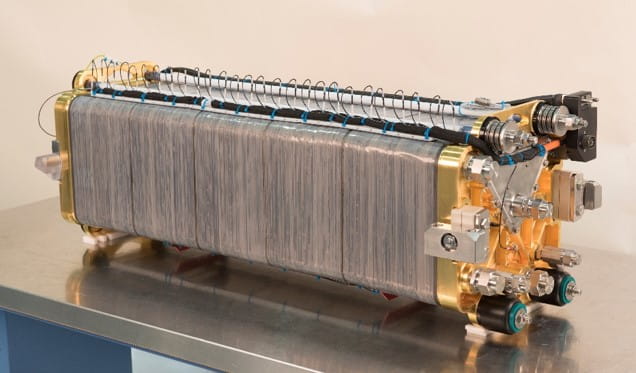
Titanium Hydride (TiH2), a compound formed by the reaction of titanium with hydrogen gas, possesses the capability to absorb and release hydrogen under specific conditions. It finds widespread applications in metallurgical and chemical industries, serving as a hydrogen source during welding and as a catalyst in polymerization reactions.
The preparation of titanium hydride involves its direct formation through the reaction of metallic titanium with hydrogen gas or by reducing titanium dioxide using hydrogen gas in the presence of hydrogen calcium. The preparation process necessitates extremely dry, oxygen-free hydrogen gas to prevent the formation of titanium oxide.

Titanium hydride promotes the welding process, enhances weld joint strength, acts as a catalyst in polymerization reactions, and serves as a getter in electron vacuum processes. However, it is imperative to handle titanium hydride with care as it is a flammable solid that can react vigorously when exposed to oxidizing agents. Special precautions are required during storage and handling to prevent contact with moisture, humid environments, acids, and halogens.
Titanium alloy hydriding involves the production of titanium alloys through a hydriding process, which entails the reaction of metallic titanium with hydrogen gas under specific conditions to achieve titanium powder formation. This method aids in enhancing the production efficiency of titanium alloys while reducing costs.
The interaction between titanium and hydrogen gas plays a pivotal role in the advancement of hydrogen energy technology. The applications of titanium in hydrogen technology, whether in hydrogen storage materials, catalysts, or hydrogen gas storage equipment, present vast prospects for future developments in the field.