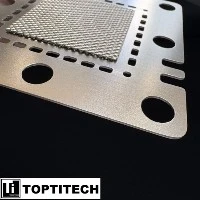

Zirconium, a rare metal known for its high melting point, corrosion resistance, and exceptional biocompatibility, holds an irreplaceable position in industries such as nuclear, aerospace, and medical devices. The process of machining zirconium into wire material embodies cutting-edge technology and precision craftsmanship.
Raw Material Purification: Transformation from ore to "sponge zirconium"
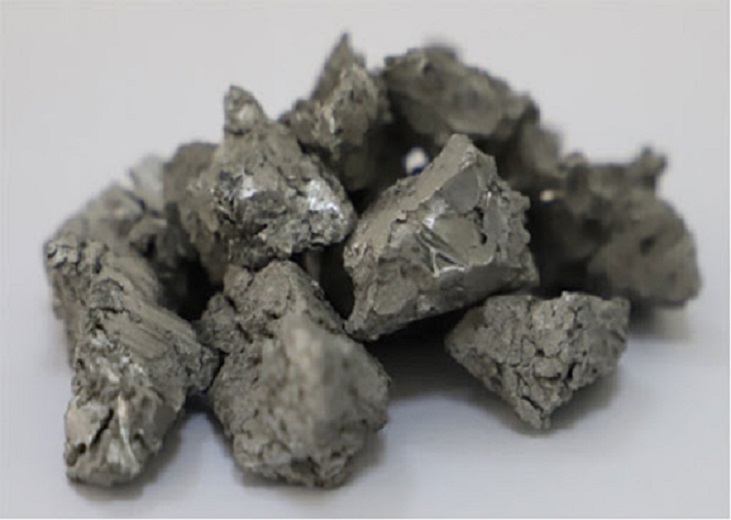
Ore selection and pretreatment: Zirconium ores undergo crushing, magnetic separation, and flotation processes to eliminate impurities like silicon, iron, and titanium, yielding zirconium concentrates (ZrO₂ content ≥65%).
High-temperature chlorination: Zirconium concentrates are mixed with carbon and subjected to high-temperature chlorination to produce zirconium tetrachloride (ZrCl₄) gas, which is then condensed to obtain liquid ZrCl₄ for initial purification.
Reduction to produce sponge zirconium: Liquid ZrCl₄ undergoes reduction with molten magnesium under inert gas protection, generating sponge-like metallic zirconium blocks (purity ≥99.6%).
Vacuum distillation: High-temperature vacuum distillation (vacuum level ≤10⁻³Pa) is employed to remove residual MgCl₂ and unreacted magnesium, yielding high-purity sponge zirconium (oxygen content ≤500ppm, hardness ≤100HB).
Ascension from "sponge" to "zirconium ingot"
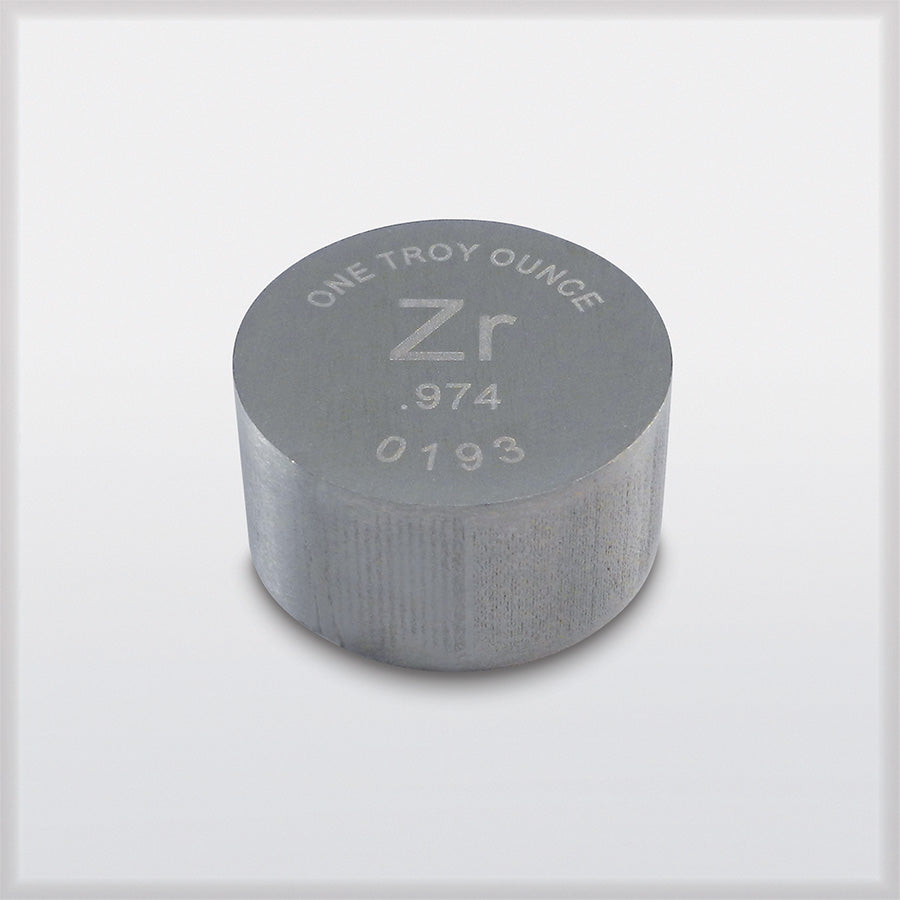
Vacuum arc remelting (VAR) equipment and technology: Utilizing a vacuum arc furnace (vacuum level ≤5×10⁻²Pa), sponge zirconium is compacted into electrodes and melted at high temperatures (3000-4000°C) to form homogeneous zirconium ingots.
Electron beam cold hearth melting (EBCHM) for high-end applications: Employing electron beam melting technology (power ≥2MW) to refine materials at ultra-high temperatures (up to 5000°C), resulting in reduced impurity levels (e.g., Fe, Cr) and enhanced creep resistance properties.
Metamorphosis from "zirconium ingot" to "zirconium wire"
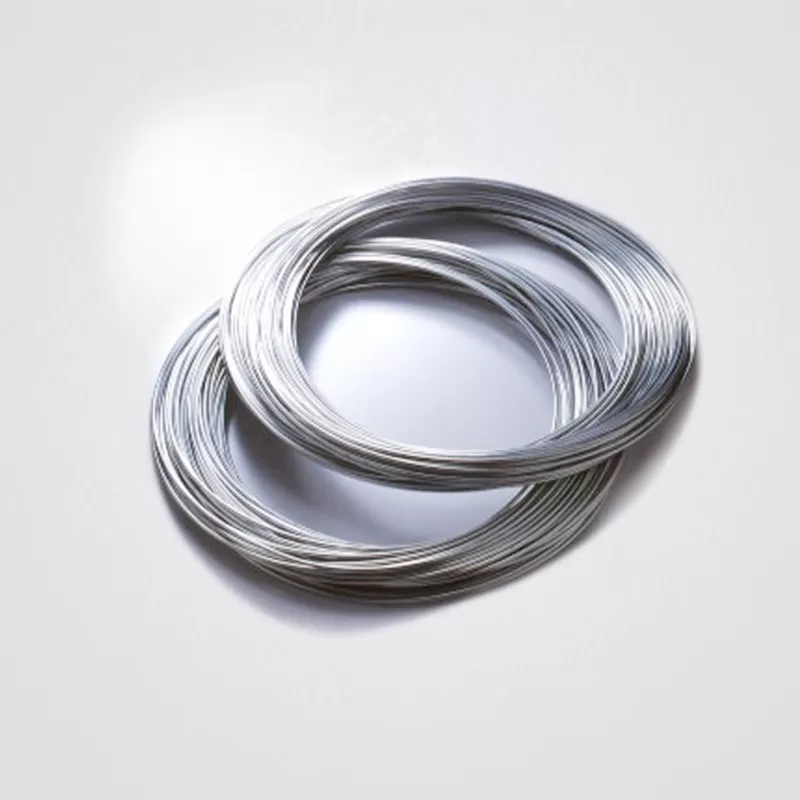
Hot forging: Reshaping the metal's essence through hot forging at specific temperatures (800-950°C) with hydraulic presses (pressure ≥2000 tons), forming a uniform fine-grained structure (grain size ≤100μm).
Multi-pass drawing: Using tungsten steel dies and graphite-based lubricants, the zirconium rod is progressively drawn to diameters below Φ5mm, followed by annealing in an argon atmosphere to eliminate work hardening.
Ultimate wire drawing: Employing diamond dies with apertures ≤0.1mm, ultra-fine wire processing (diameter 0.01-0.5mm) is accomplished on precision drawing machines, ensuring surface roughness Ra≤0.4μm.
Process upgrades and industry benchmarks
Intelligent process upgrades: Integration of AI vision systems for real-time monitoring of drawing processes and optimization of parameters through data analysis, resulting in a 99.8% yield improvement.
Green manufacturing: Development of closed-loop water cooling systems for zero wastewater discharge during melting; achieving a 95% acid recovery rate, reducing environmental impact.
Application expansion: Mass production of high-end products such as zirconium wires for nuclear reactor cladding (30% enhanced radiation resistance) and medical-grade biodegradable zirconium alloy sutures (Class A biocompatibility certification).
Through comprehensive process innovation and stringent quality control measures, modern zirconium wire processing technology has surpassed micron-level precision barriers, emerging as a "hidden champion" in high-end manufacturing. In the future, with the surge in demand for ultra-fine zirconium wires for 3D printing and flexible electronic device conductors, this "metal art" will continue to lead the wave of innovation in materials science.