

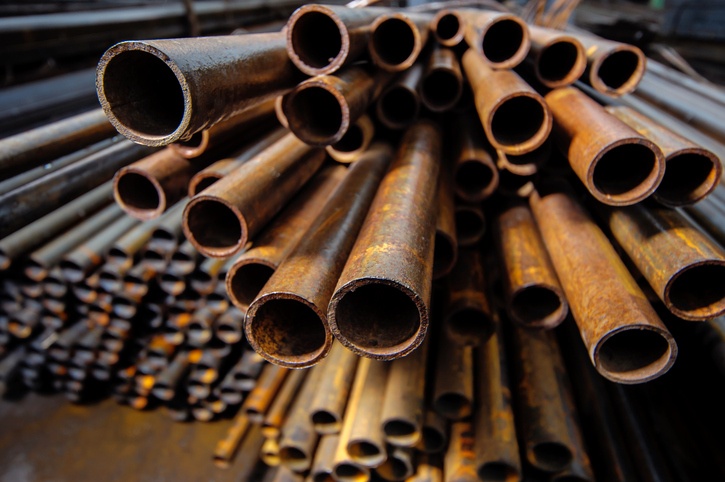
Corrosion refers to the process of material deterioration and damage caused by the surrounding environment, including metals and non-metal materials. The corrosion resistance of metal materials depends on factors such as their composition, chemical properties, and structural morphology.
Classification of Corrosion Resistance in Metal Materials
Chemical Corrosion
Chemical corrosion occurs due to the direct chemical interaction between metals and the surrounding medium. It includes gas corrosion and corrosion of metals in non-electrolytes. In chemical corrosion, no electric current is generated, and the corrosion products deposit on the metal surface.

Electrochemical Corrosion
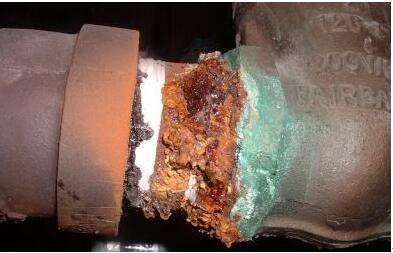
Electrochemical corrosion occurs when metals come into contact with electrolyte solutions. It is characterized by the generation of electric current during the corrosion process. The corrosion products do not cover the anodic metal surface but form at a certain distance away.
General Corrosion
General corrosion occurs uniformly on the inner and outer surfaces of metals, resulting in a reduction in cross-sectional area and eventual failure of the load-bearing component.

Intergranular Corrosion
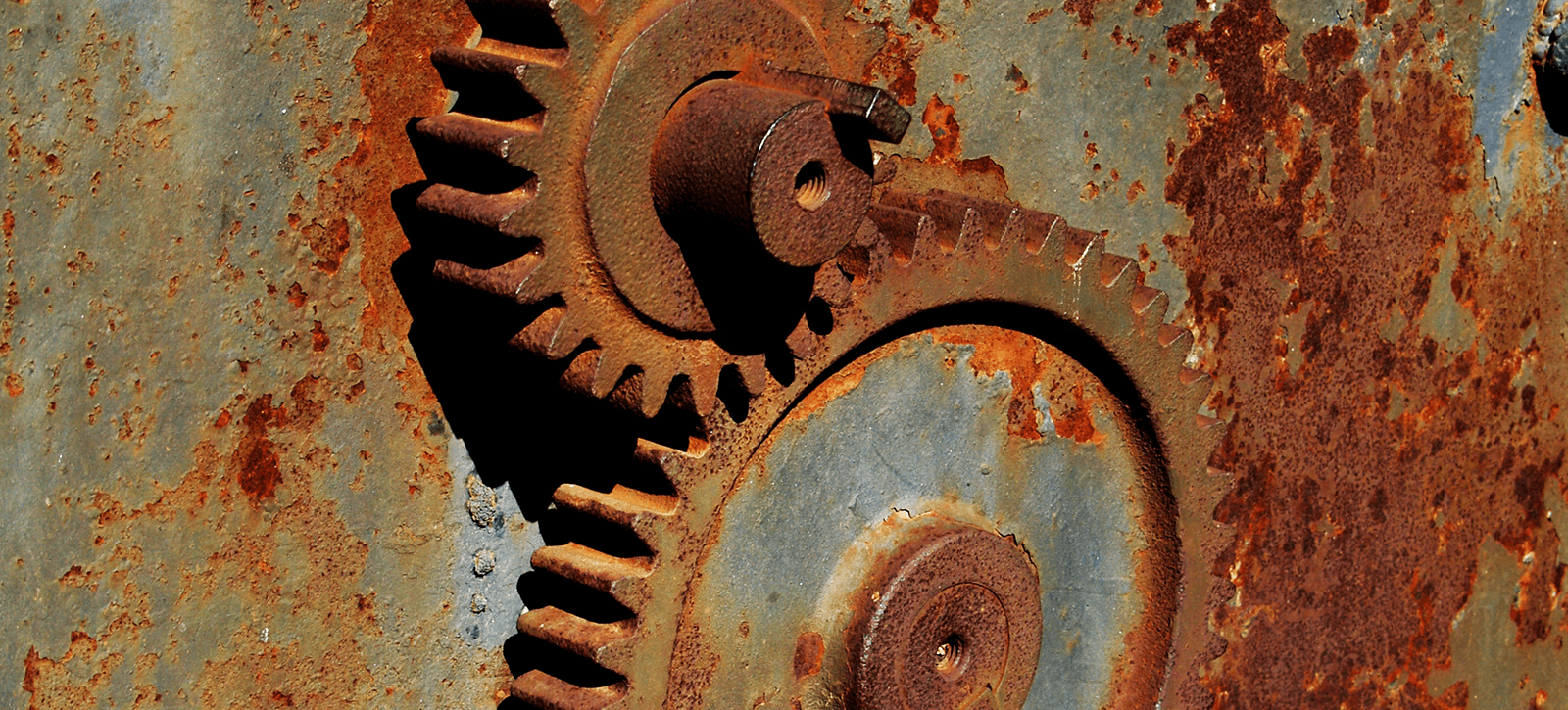
Intergranular corrosion takes place along the grain boundaries within the metal, without causing apparent changes in the metal's shape but potentially leading to sudden equipment or component failure.
Pitting Corrosion
Pitting corrosion occurs in localized areas on the metal surface and rapidly progresses inward, penetrating the metal and causing significant damage.

Stress Corrosion
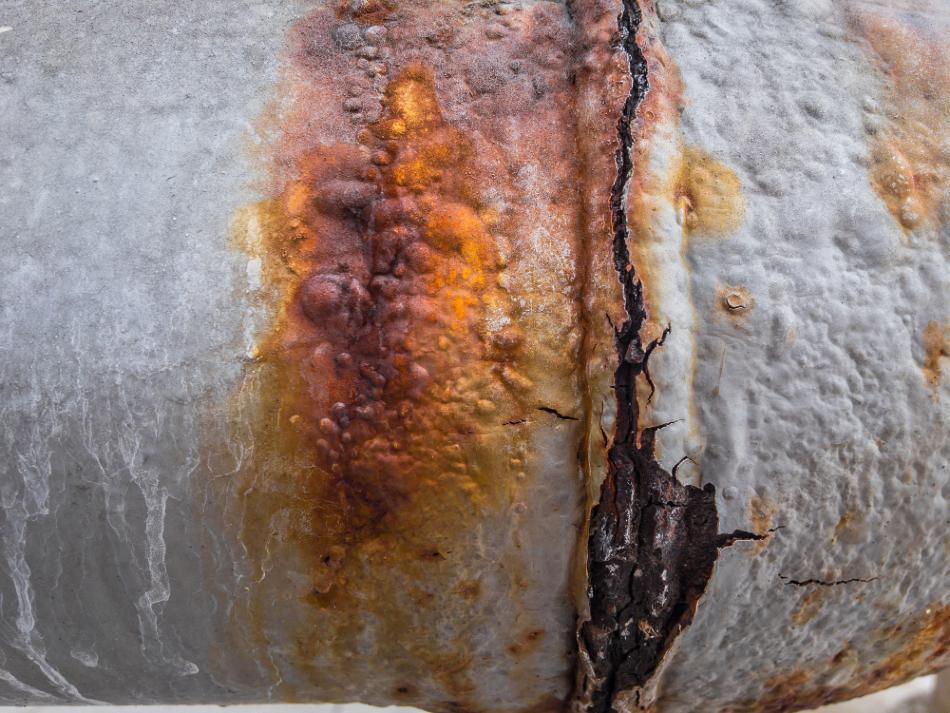
Stress corrosion refers to the damage caused by the corrosive environment on metals under static stress. It typically occurs through the grains of the metal.