In the realm of industrial filtration, few environments are as punishing as those involving ozone disinfection and aggressive chemical oxidizing agents. Standard polymer-based filters degrade rapidly. Stainless steel, while robust in many contexts, succumbs to pitting and corrosion. This leaves process engineers with a critical question: What material can reliably withstand these conditions while maintaining filtration integrity?
The answer, validated across decades of chemical and water treatment applications, is the titanium sintered filter cartridge. Its unique combination of material properties makes it not just a viable option, but the only logical choice for these extreme operating environments.
The Fundamental Challenge: Oxidative Degradation
Ozone (O₃) is one of the most powerful oxidizing agents available for disinfection. While highly effective at neutralizing pathogens, it is chemically aggressive toward most filtration media. Polymer membranes experience embrittlement and cracking. Standard metal filters oxidize rapidly, leading to media migration and system failure.
The titanium sintered filter cartridge solves this at the material level. Titanium, when exposed to oxygen or ozone, immediately forms a stable, adherent, and continuous passive layer of titanium dioxide (TiO₂). This layer is chemically inert and self-healing; if scratched or damaged, it instantly re-forms in the presence of oxygen. This intrinsic property provides exceptional oxidation resistance that few other materials can match .
Unlike coatings that can chip or wear off, this passivated layer is part of the material"s metallurgical structure. This ensures long-term stability in continuous ozone sparging and high-concentration ozone environments where other metals would fail catastrophically.
Engineered for Chemical Severity: Beyond Standard Corrosion Resistance
The chemical resistance of titanium is not limited to ozone. Data confirms that titanium sintered filters withstand exposure to a wide spectrum of aggressive media, including low-concentration hydrochloric acid (<3%), sulfuric acid (<5%), nitric acid, sodium hydroxide, seawater, and various chlorides (iron, copper, mercury, chromium, nickel, manganese) .
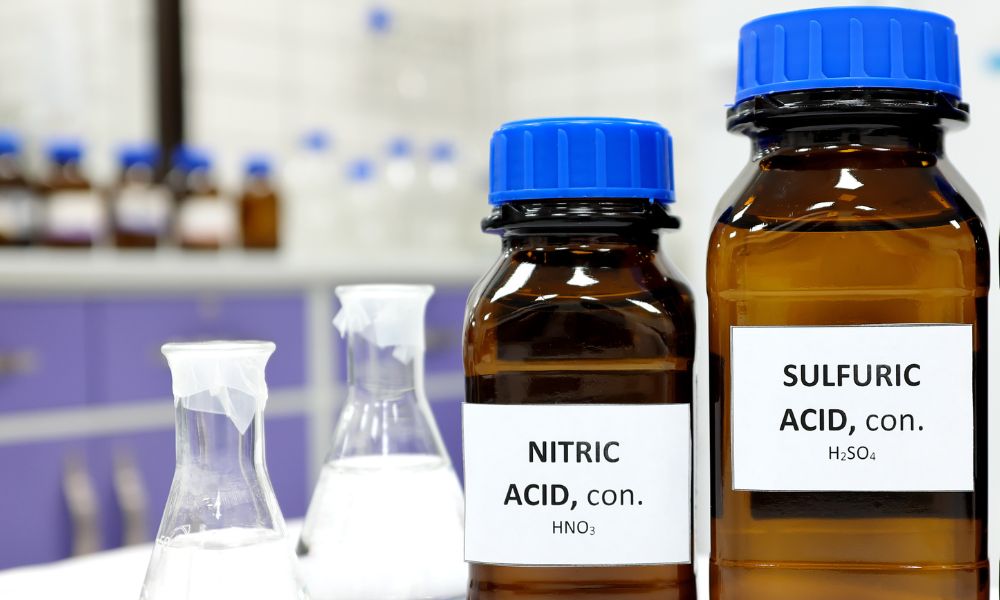

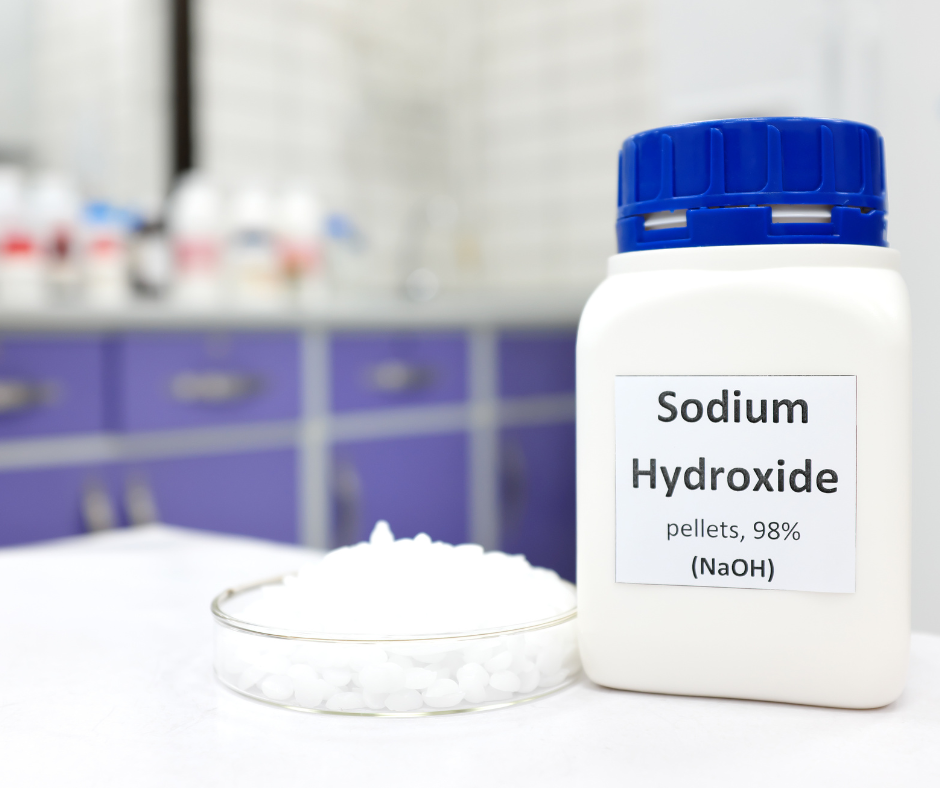
This broad chemical compatibility is critical in chemical processing applications where feed streams vary or where cleaning-in-place (CIP) protocols involve alternating between acids, bases, and oxidizers. Titanium"s stability ensures the filter element does not become a source of contamination through corrosion by-products .
Structural Integrity Under Thermal and Mechanical Stress
Oxidizing environments are often accompanied by high temperatures. Ozone dissolution and many catalytic chemical reactions occur at elevated thermal conditions. Titanium sintered cartridges are manufactured through a high-temperature sintering process that bonds titanium powder particles into a rigid, porous matrix. This results in a structure that maintains its integrity at operating temperatures up to 280°C (536°F) and, in some configurations, can withstand peaks up to 371°C .
Furthermore, the sintering process eliminates the need for binders or resins that could degrade chemically. The all-metal construction provides high mechanical strength, with compressive strength ratings typically exceeding 3.0 MPa and the ability to withstand differential pressures up to 17.4 bar (250 psid) forward . This robustness is essential for high-pressure reverse filtration (backwashing) and processes involving pressure spikes.
Zero Media Migration: The Purity Imperative
In pharmaceutical intermediate production and high-purity water treatment, filter integrity is paramount. One of the most significant risks in filtration is media migration-the shedding of filter fibers or particles into the product stream.
Titanium sintered filters are characterized by "no free-falling particles" or "no particle shedding" . The sintered structure creates a tortuous path with uniform pore distribution, but because the matrix is metallurgically bonded, there are no fibers to break off. This satisfies the stringent requirements of pharmaceutical GMP standards and food processing regulations, ensuring that the filter itself does not become a contaminant source .