
Researchers Achieve Breakthrough with Highly Efficient Electrode for Seawater Electrolysis
Researchers from the Southern University of Science and Technology in China, the University of New South Wales, and Curtin University in Australia have made a significant leap towards sustainable energy solutions by developing an innovative electrode set to transform hydrogen production. At the heart of this breakthrough is the W-NiFeS/WC electrode, a cutting-edge material tailored for effective seawater electrolysis. Let's explore the intriguing details of this advancement and consider its implications for the future of clean energy.

Technological Advancement: The W-NiFeS/WC Electrode
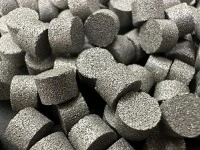
Central to this progress is the W-NiFeS/WC electrode, comprising self-supporting nickel-iron (NiFe) material strengthened with tungsten (W). The incorporation of wood carbon (WC) as a substrate introduces an additional layer of ingenuity, offering a layered porous structure that significantly boosts the electrode's performance and stability in seawater.
Historically, seawater electrolysis has grappled with notable challenges, including anode corrosion triggered by chloride ions and the high expenses associated with catalysts. The new W-NiFeS/WC electrode effectively tackles these obstacles. It showcases a three-dimensional layered porous design with directed microchannels and densely anchored W-NiFeS nanoparticles, enhancing its conductivity and efficiency. This configuration enables remarkable performance in both the oxygen evolution reaction (OER) and hydrogen evolution reaction (HER), pivotal processes for water splitting into hydrogen and oxygen.
 In-depth Examination: What Significance Does This Hold?
For those less versed in electrochemistry, let's dissect this. Electrolysis is a method that leverages electricity to separate water into hydrogen and oxygen. When employing seawater for this purpose, the elevated salt content typically leads to swift corrosion and degradation of traditional electrodes. Researchers have engineered an electrode capable of withstanding these harsh conditions while surpassing the performance of conventional counterparts.
The distinctive structure of the electrode, featuring minute pores and channels, contributes to enhanced conductivity efficiency and prolonged durability. This translates to prolonged hydrogen production without equipment malfunctions over extended periods.
By harnessing this innovative electrode, we can significantly mitigate the environmental footprint of hydrogen production, rendering it a more viable and widely embraced option. This advancement holds the potential to usher in cleaner hydrogen fuel, propelling various sectors from electric vehicles to industrial applications, ultimately playing a role in global endeavors to decarbonize the energy landscape.