
Why This Part Gets Overlooked
Column care gets all the attention in an HPLC lab. The suction end gets almost none. That end sits above the pump in the flow path. Pressure there stays low. At times it drops below zero. Nothing at that point has to hold high pressure. Nothing at that point has a bed of packing to pressurize. Little about it reaches the written method.
Still, this small spot can choke off. A choked filter takes a running system down in minutes. That alone earns it a second look.
Learn what this part shields, and you gain a plan. Learn how the harm travels, and you gain time. A filter change on a calm day costs little. Rebuilding a pump runs far higher.
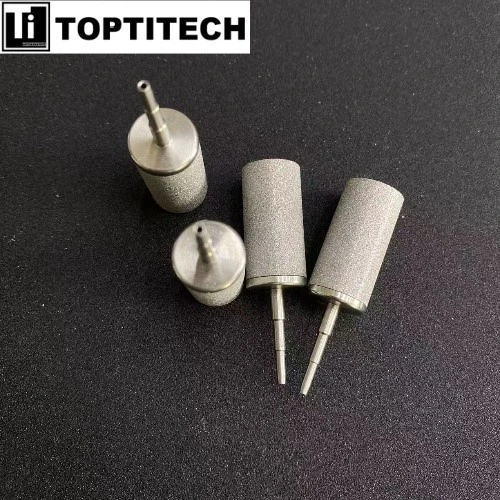
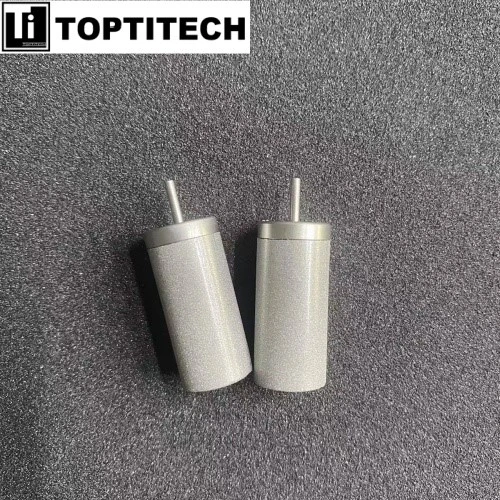
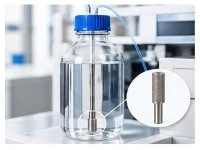
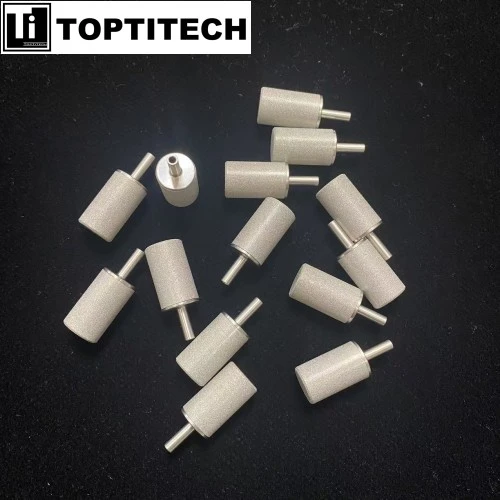
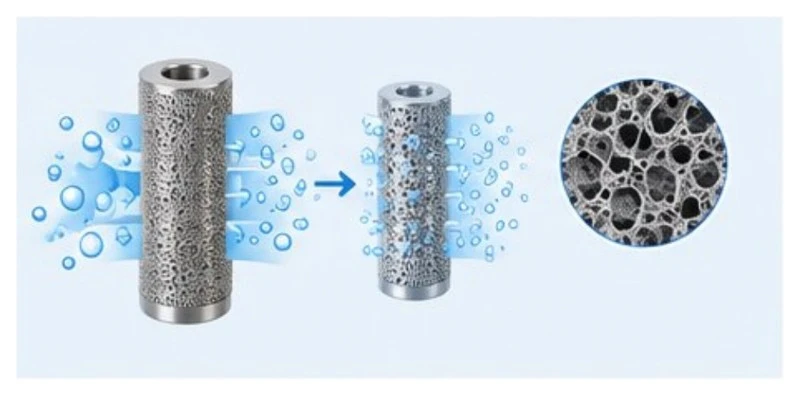
he solvent inlet filter sits at the bottom of the solvent bottle. It slides onto the pickup tube. Its own weight carries it to the floor of the bottle. The part contains two sections. The first section is a sintered porous cylinder. The second section is a plain solid stem.
Most units are made from 316L stainless steel. A frequent size is φ11.7 × 19.9 mm. A frequent rating is 10–20 μm. Buyers can also pick grades between 0.5 μm and 20 μm.
This part holds back solid matter. If solid matter slips past, it travels to the pump. Two parts then suffer damage, one after the other.
The inlet check valve. A small ball sits inside. The ball may be ceramic or ruby. It presses against a seat. The seat may be sapphire or ceramic. A spring pins the ball down. A single grain can jam between the ball and the seat. The seal then loses its full contact. Pump pressure begins to jump. Suction begins to fall.
The plunger seal. A sapphire plunger slides to and fro inside the pump head. Stray grains act like sandpaper here. The grains rub the seal down. The seal later leaks. Pressure then disappears.
The money gap between these parts is wide. The filter costs a few tens of dollars. The inlet check valve assembly runs about $133–138. A new plunger starts at $103. A complete pump service kit reaches into the thousands. So one grain caught by the filter saves a great deal of money.
How the Damage Moves Through Three Stages
-
Stage one
Purging takes longer than usual. A steady flow needs two or three attempts. The data still looks fine. Even so, the system has drifted off its normal baseline
-

Pressure begins to jump. The baseline rises and falls. Retention time wanders. Gradient runs trigger composition error alarms. Data quality falls. The run may need to start over.
-
Stage three
Flow drops to nothing. The pump draws air. Running dry ruins the seals. At this stage the harm has spread far beyond the filter.
One single chain links all three stages. The inlet filter blocks. The pump cannot draw enough liquid. Cavitation begins. Pressure drops. The seals wear out early. One detail carries the most weight. The first three links raise no alarm. An alarm appears only after the wear has taken place.
Two Checks That Need No Instrument
The swap check
Fit a spare filter that you know works. If the trouble goes away, the filter caused it. If the trouble stays, look at the check valve next. Either way, the pump head stays shut.
The siphon check
Pull the line off. Let gravity move the liquid. A clean filter lets liquid run freely. A filter near the end of its life cannot start a siphon. It yields one drop every few seconds, or no drop at all. Save this check for solvents that carry no hazard.
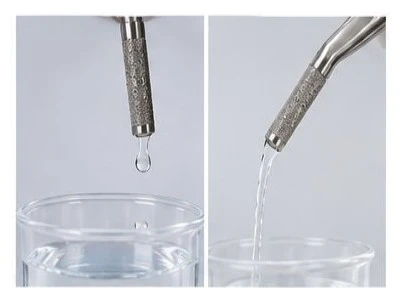
Both checks rest on one trait. The filter works at low pressure. Nothing inside the system needs to come off pressure first. The pump stays shut the entire time.
A Second Task the Spec Sheet Never Lists
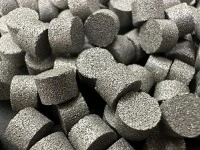
A sintered body does two jobs, not one. The first job is to trap grains. The second job appears once the body is fully wet. Then it splits bubbles into smaller ones. Liquid releases gas inside the pickup tube. Those bubbles reach the pore network. The network has pores that run in every direction. The bubbles break apart inside it. They then arrive at the pump head in a gentler, more even way. This smooths the pump pressure. It also keeps the baseline level.
This fact explains something many labs notice. Few documents name the real cause. After a fresh filter goes in, the baseline looks far cleaner. Most people credit the trapped grains. But fewer grains alone cannot level a baseline that fast. The way the pores split bubbles is the true reason.
The even pores do one more thing. They block channeling. That brings three gains. The baseline holds steadier. Pressure ripples shrink. Retention time repeats more closely.
Three rules settle most cases.
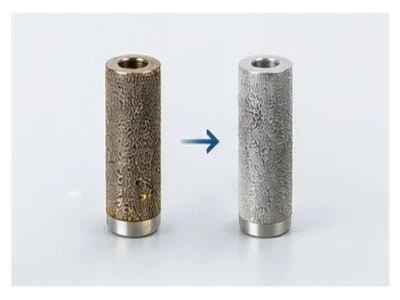
At six months of service, clean the part or replace it. The maker prints this interval in its manual. If the trouble ends after a swap, and the part is under six months old, clean it and put it back. After three ultrasound baths on the same part, replace it right away.
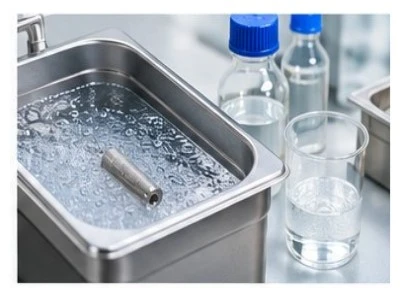
The cleaning steps are easy. Place the part in pure water and apply ultrasound for 10–15 minutes. Then place it in methanol and apply ultrasound for 10–15 minutes. Weak nitric acid removes mineral crust. Keep one fact in mind. After three baths, the part no longer matches a new one. A bath pushes back the failure date. A bath does not undo the failure.

Stopping the Next Block
Liquid itself carries most of the grains. Cheap liquid brings grains in. Liquid kept where dust settles adds its own share.
A second cause hides well. A buffer with little organic content can rest in the bottle for hours. Light can reach the bottle. Then phosphate, acetate, and ammonium buffers breed microbes.
Several habits help. Pick an amber bottle so light cannot pass. Leave a vent gap of about 1 mm at the cap. This step stops a vacuum from forming inside. A vacuum can cut the liquid supply. Never leave a buffer in the system past one night. Hold phosphate levels down. Phosphate will not blend with acetonitrile, and it falls out of solution with ease. Once you see microbe growth, swap out the bottle and the tubing. Then wash the pump with 70% isopropanol.
Pore Size: Tighter Is Not Better
Inlet filters normally span 2–20 μm. Common water-organic methods use 10 μm. Methods that call for tighter control use 2 μm.
A tighter pore does not help on the suction side. A tight pore plus thin tubing plus fast flow plus thick liquid invites trouble. Cavitation can start. Suction can fall. The rule stays simple. Keep the tightest filter on the high-pressure side. Keep the suction end able to move liquid.