

As industries such as aerospace, aviation, and chemical engineering continue to advance rapidly, the demand for high-performance alloys has increased significantly. Two such alloys that have garnered substantial attention are high-temperature alloys and titanium alloys. These alloys possess unique characteristics and find applications in diverse fields. This article aims to explore the differences between high-temperature alloys and titanium alloys, highlighting their distinctive features and areas of application.
High-Temperature Alloys
High-temperature alloys refer to alloys that exhibit excellent oxidation resistance, thermal fatigue resistance, creep resistance, and wear resistance in high-temperature environments. Depending on the matrix elements, high-temperature alloys can be categorized as iron-based, nickel-based, or cobalt-based alloys. Among these, nickel-based alloys are the most widely utilized due to their exceptional high-temperature and mechanical properties.
Characteristics of High-Temperature Alloys:
Superior high-temperature performance
High-temperature alloys demonstrate high resistance to oxidation, thermal fatigue, creep, and wear at elevated temperatures.
Excellent mechanical properties
These alloys possess high strength, good toughness, and notable resistance to stress corrosion cracking.
Favorable processability
High-temperature alloys can be processed using various techniques such as casting, forging, rolling, extrusion, and welding.
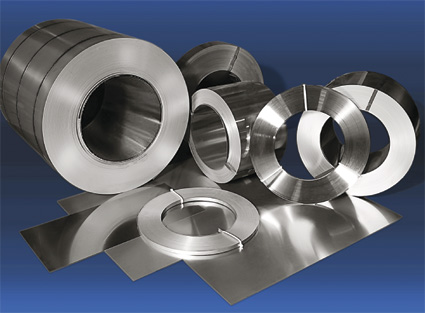
Titanium Alloys
Titanium alloys are composed primarily of titanium, with the addition of other elements to form the alloy. These alloys exhibit remarkable mechanical properties, corrosion resistance, and excellent biocompatibility, making them extensively employed in aerospace, aviation, chemical engineering, and medical applications.
Characteristics of Titanium Alloys:
Superior mechanical properties
Titanium alloys offer high strength, good toughness, and excellent corrosion resistance.
Excellent corrosion resistance
Passed ISO9001 certification and obtained relevant patent certificates.
High-Quality Customized Services
Titanium alloys demonstrate exceptional resistance to corrosion in seawater, making them widely applicable in marine engineering.
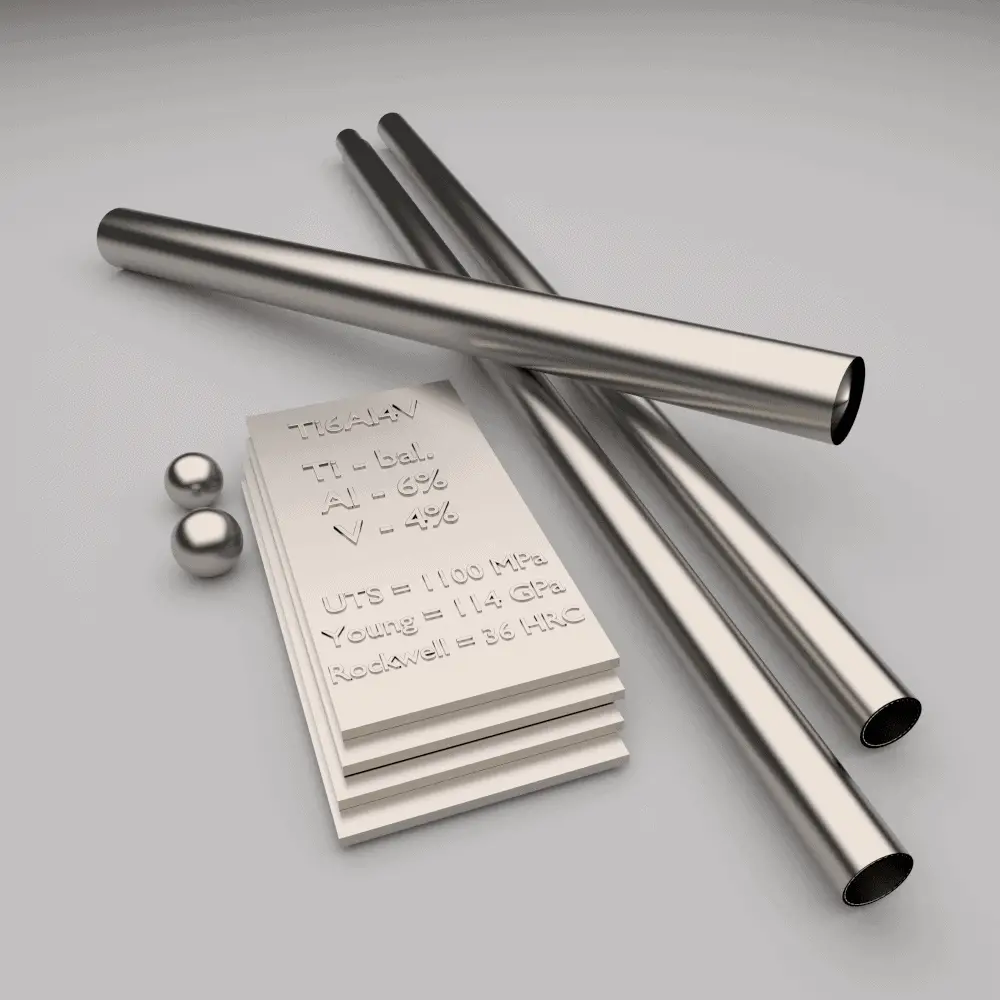
Differences between High-Temperature Alloys and Titanium Alloys:
- Matrix elements: High-temperature alloys primarily employ elements such as nickel, cobalt, and iron as the matrix, whereas titanium alloys are predominantly composed of titanium.
- Performance characteristics: High-temperature alloys are renowned for their exceptional high-temperature performance and are suitable for use in high-temperature environments. Titanium alloys, on the other hand, are known for their excellent mechanical properties and corrosion resistance.
- Application areas: High-temperature alloys are predominantly used in high-temperature fields such as aerospace and aviation, whereas titanium alloys find widespread applications in aerospace, aviation, chemical engineering, and medical industries.