
Titanium alloy materials play a crucial role in the manufacturing of fasteners, as they are closely tied to the fabrication processes and usage requirements.
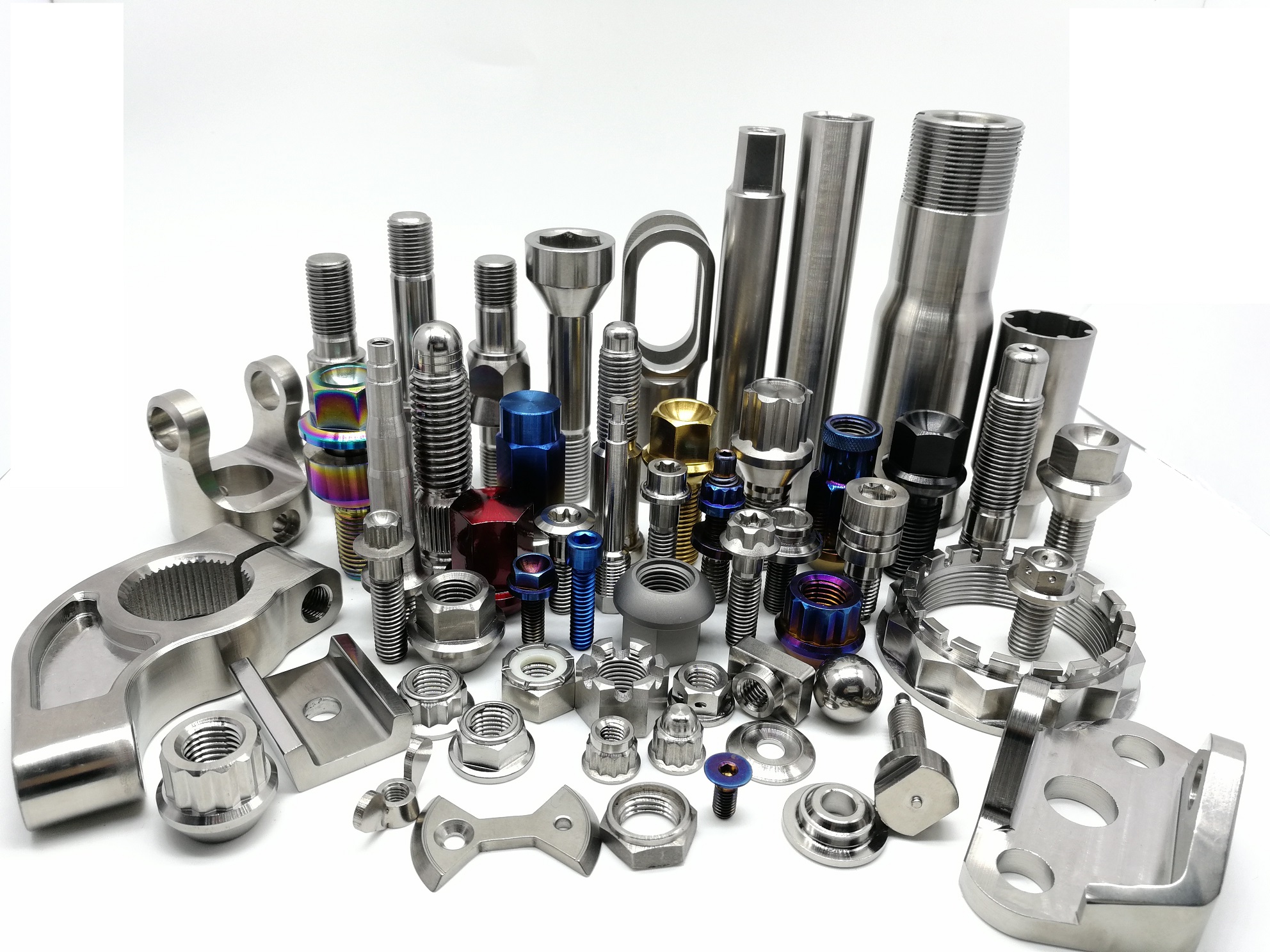
The manufacturing processes of titanium alloy fasteners encompass three main aspects: plastic deformation, surface enhancement, and machining. Plastic deformation techniques include processes like swaging, necking down, and thread rolling. Surface enhancement involves strengthening areas such as bolt load-bearing surfaces and rod transition regions. Mechanical machining techniques like turning, milling, and grinding are also employed.
The choice of titanium alloy materials for fasteners depends on their specific applications and corresponding performance requirements. For instance, rivets require high plasticity due to the need for forming one or both ends during installation. On the other hand, bolts typically necessitate high strength, comparable to that of high-strength alloy steel (e.g., 30CrMnSiA), thus often employing high-strength titanium alloys.
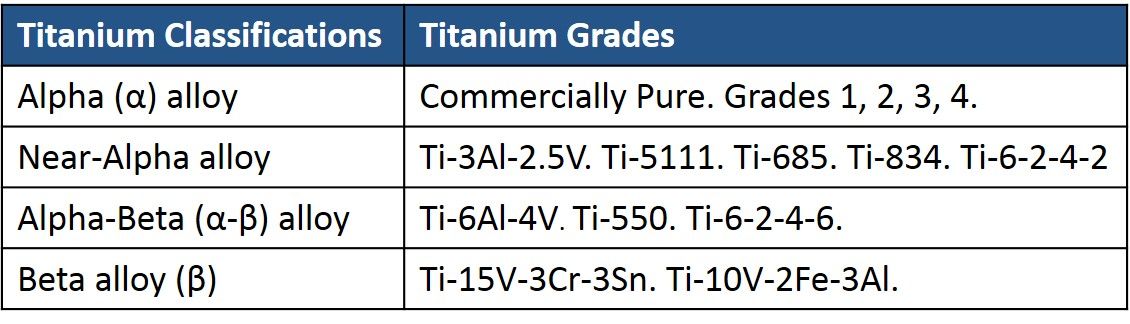
Titanium alloy materials for fasteners can be broadly categorized into three types: industrial pure titanium, (α+β)-type alloys, and β-type alloys. Industrial pure titanium mainly includes TA1 and TA2. (α+β)-type alloys encompass TC4, TC6, Ti-662, among others. β-type alloys primarily consist of metastable β-type titanium alloys, where the molybdenum equivalent is typically around 10%. Near-beta alloys with molybdenum equivalents below 10% exhibit insufficient strengthening effects during heat treatment, while stable β-type alloys with molybdenum equivalents above 10% show high β-phase stability, making them challenging to decompose. Therefore, metastable β-type titanium alloys exhibit the most pronounced strengthening effects. Additionally, metastable β-type titanium alloys possess excellent cold formability, allowing for cold heading without the need for specialized heating equipment and gas protection media. This results in high production efficiency, material utilization, dimensional precision, and surface quality for formed fasteners. In contrast, (α+β)-type titanium alloy fasteners can only be produced through hot heading processes, requiring dedicated heating equipment and gas media, leading to lower production efficiency, material utilization, and potential temperature non-uniformity issues.

For rivets made from pure titanium, the tensile strength typically exceeds 350 MPa, while the shear strength ranges from 240 to 350 MPa. Rivets made from (α+β)-type alloys are used in annealed states, while those made from β-type alloys are employed in solution-treated conditions. Both alloy types exhibit similar tensile strengths of 800-950 MPa and shear strengths exceeding 600 MPa.
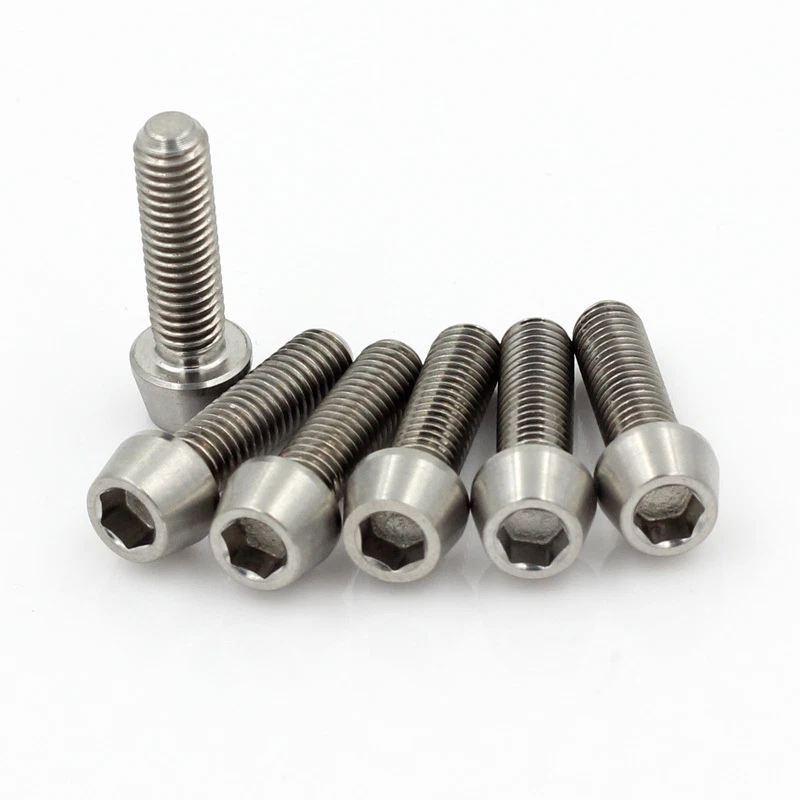
Titanium alloy materials for bolts, except for TC4, predominantly consist of metastable β-type alloys, utilized in solution-treated and aged conditions. With the exception of TB8, TB9, and Ti-555 alloys, which can achieve tensile strengths above 1,200 MPa, most β-type titanium alloys exhibit tensile strengths around 1,100 MPa and shear strengths ranging from 650 to 700 MPa.