Nylon filters and metal powder filters are two common types of filters with distinct differences in material, manufacturing processes, filtration performance, features, and applications. This article provides a comprehensive comparison of these filters, highlighting their unique characteristics and suitable applications.
Material
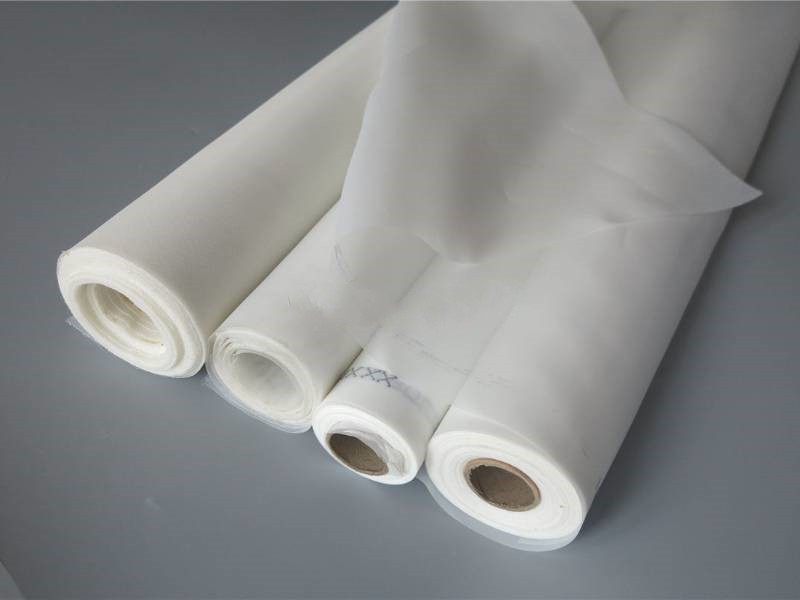
Nylon Filters:
Nylon filters are crafted using nylon material known for its corrosion resistance, abrasion resistance, and high-temperature tolerance. They are widely used in applications such as water treatment, chemical processing, food and beverage, pharmaceuticals, and automotive industries.

Metal Powder Filters:
Metal powder filters utilize metal powder materials, such as stainless steel and titanum, which offer superior pressure resistance and high-temperature tolerance. These filters find applications in industries such as oil and gas, aerospace, petrochemical, power generation, and industrial manufacturing.
Manufacturing Processes

Nylon Filters:
Nylon filters are typically constructed using nylon mesh or woven fabric materials, which are cut and secured within the filter structure. The manufacturing process involves precise shaping and assembly techniques, ensuring their durability and reliability.

Metal Powder Filters:
Metal powder filters require the metal powder to be filled into the filter structure, followed by processes like compression, injection molding and sintering to ensure the cohesive integration of metal powder particles. This manufacturing process results in robust filters capable of withstanding high pressures and harsh working environments.
Filtration Performance
Nylon Filters:
Nylon filters provide a range of filtration precision, from coarse to fine filtration, depending on the specific requirements. They effectively remove solid particles and impurities, ensuring reliable filtration performance in applications such as water purification, chemical filtration, and particle removal.

Metal Powder Filters:
Metal powder filters can achieve finer filtration due to the customizable particle size and shape of the metal powder used. These filters excel in capturing small particles and contaminants, making them suitable for applications requiring high-precision filtration, such as gas purification, oil and fuel filtration, and catalyst recovery.

Features
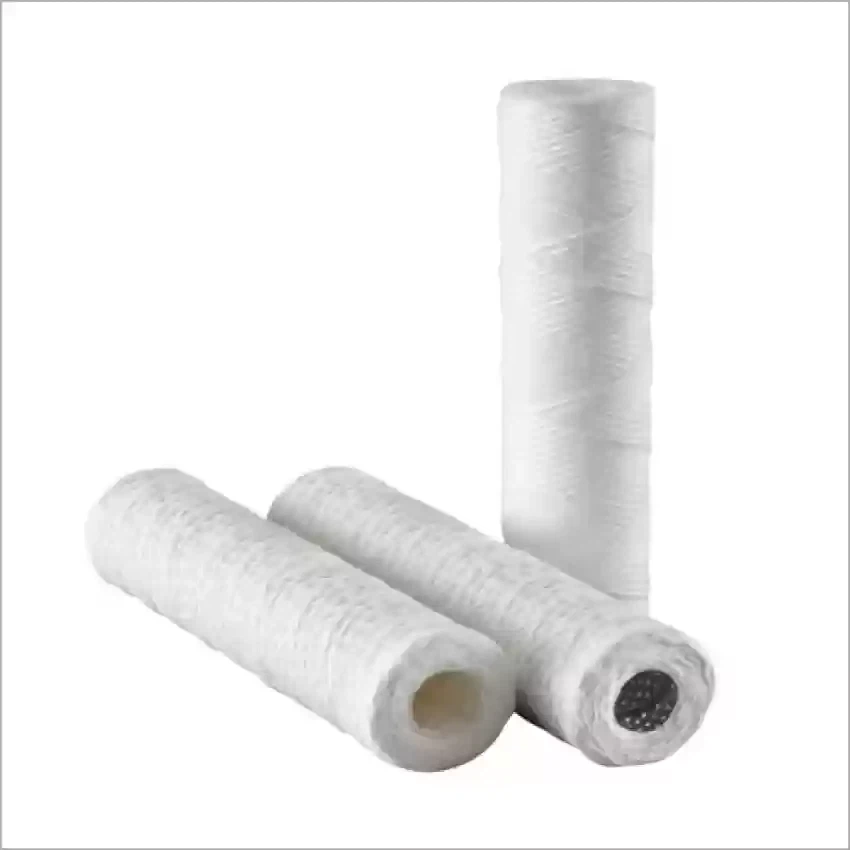
Key features of nylon filters include corrosion resistance, high-temperature tolerance, abrasion resistance, and ease of cleaning and maintenance. They are suitable for various liquid and gas filtration applications, providing reliable and cost-effective filtration solutions.

Metal powder filters excel in pressure resistance, high-temperature tolerance, corrosion resistance, and excellent mechanical strength. They offer long-lasting performance even in demanding environments, ensuring efficient filtration in critical applications that involve extreme conditions and aggressive media.
Applications

Nylon Filters:
Nylon filters are commonly used in water treatment plants, municipal water systems, laboratories, food and beverage processing, pharmaceutical manufacturing, and automotive applications where reliable filtration is essential for quality control and equipment protection.

Metal Powder Filters:
Metal powder filters find extensive applications in the oil and gas industry for gas and liquid filtration, the aerospace industry for hydraulic fluid filtration, petrochemical plants for corrosive chemical filtration, power plants for steam and water filtration, and industrial manufacturing processes that require high-precision and durable filtration solutions.
Conclusion
In conclusion, nylon filters and metal powder filters differ significantly in material composition, manufacturing processes, filtration performance, features, and applications. While nylon filters are well-suited for general filtration needs, metal powder filters excel in demanding environments with specific filtration requirements. By understanding their distinctions and considering the targeted applications, users can select the most suitable filter to achieve optimal filtration results and ensure the efficiency and reliability of their processes.