The relentless pursuit of performance supremacy in military and aerospace engineering is fundamentally a materials science challenge. At the forefront of this battle, advanced high-strength, high-toughness titanium alloys are undergoing a transformative evolution, with innovations in hardness and related mechanical properties serving as the critical enabler for next-generation platforms. Moving beyond the well-established Ti-6Al-4V (TC4), the development frontier now focuses on alloys and processing techniques that shatter the traditional strength-toughness trade-off, delivering unprecedented reliability under extreme conditions.
The Core Challenge: Beyond Simple Hardness
For military and aerospace applications, hardness is not an isolated metric. It is intimately linked to yield strength, fatigue resistance, fracture toughness, and specific strength (strength-to-density ratio). The operational environment-from the cryogenic temperatures of space to the scorching heat of engine sections, combined with dynamic loads and corrosive media-demands a holistic material response. The primary goal is to achieve higher hardness and strength without compromising fracture toughness or damage tolerance, a feat that requires nanoscale control over the alloy's microstructure.
Key Innovations Driving Performance Breakthroughs
Next-Generation Alloy Design & Microstructural Engineering
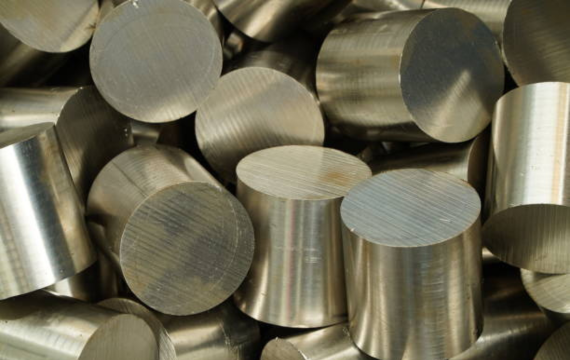
The era of trial-and-error alloying is over. Computational materials design now guides the development of complex compositions.
Beta-Rich and Metastable Beta Alloys: Alloys like Ti-5Al-5V-5Mo-3Cr (Ti-5553) and Ti-10V-2Fe-3Al are prime examples. Their high content of beta-stabilizing elements (V, Mo, Cr, Fe) allows for extensive heat treatment manipulation. Through sophisticated solution treatment and aging (STA) processes, these alloys can precipitate ultra-fine alpha particles uniformly within a tough beta matrix. This results in exceptional combinations: tensile strengths exceeding 1,300-1,500 MPa while maintaining fracture toughness (K1c) levels above 50 MPa√m.
Harmonized Alpha-Beta Alloys: Enhanced versions of traditional alloys, such as Ti-6Al-2Sn-4Zr-6Mo (Ti-6246), offer improved strength and creep resistance at elevated temperatures (up to ~450°C), crucial for compressor discs and blades.
Grain Refinement to Extreme Scales: Techniques like Severe Plastic Deformation (SPD) can produce ultrafine-grained (UFG, <1μm) or even nanocrystalline microstructures. This dramatically increases hardness and strength via the Hall-Petch relationship while potentially retaining or enhancing certain toughness properties.
Products Description
Additive Manufacturing (AM) is revolutionizing the production of high-strength titanium components.
Material Quality: The process starts with premium spherical powders produced via Plasma Rotating Electrode Process (PREP) or Gas Atomization (GA). These powders ensure high purity and consistent flowability, essential for defect-free printing.
Performance Outcomes: Laser Powder Bed Fusion (L-PBF) of alloys like Ti-6Al-4V routinely achieves as-built tensile strengths over 1,100 MPa with fine, acicular alpha-prime martensitic structures. More importantly, AM enables complex, topology-optimized geometries unattainable by forging-producing lighter, stronger components that integrate multiple parts into one, reducing failure points and weight.
Post-Processing Synergy: The full potential of AM parts is unlocked through targeted Hot Isostatic Pressing (HIP) to eliminate residual porosity and tailored heat treatments to optimize the microstructure for the specific application's stress state.
Surface Engineering: The Hardened Shield
To combat wear, fretting, and erosion in critical areas, surface modifications are indispensable.
Diffusion-Based Techniques: Gas Nitriding and Plasma Nitriding create a hard, wear-resistant surface layer of titanium nitrides (TiN, Ti2N) with microhardness soaring to 1,000-2,000 HV, while preserving the substrate's toughness.
Coating Technologies: Physical Vapor Deposition (PVD) of ultra-hard coatings like diamond-like carbon (DLC) or cubic boron nitride (c-BN) provides exceptional low-friction and anti-wear properties for bearings and dynamic seals.

Cutting-Edge Applications in Defense and Aerospace
Military Aircraft: Next-generation fighters and heavy-lift helicopters rely on high-strength beta alloys (e.g., Ti-5553) for critical airframe structures, landing gear, and weapon pylons. The combination of high hardness/strength and toughness is vital for surviving high-G maneuvers and impact loads. The F-35 Lightning II extensively uses such advanced titanium alloys.
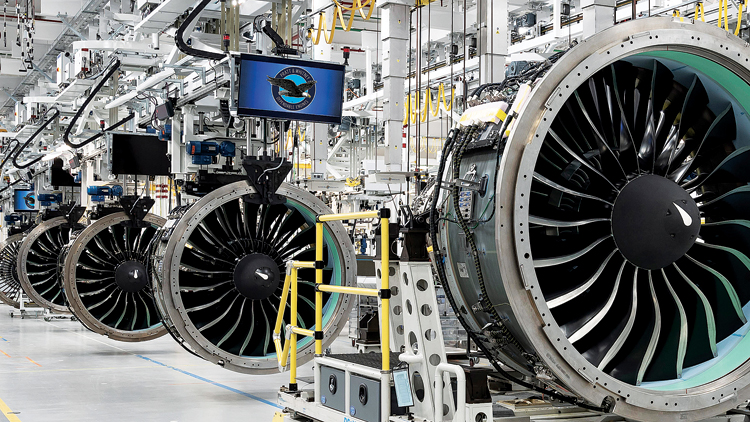
Aero-Engines: Beyond compressor stages, new alloys are enabling integrated bladed rotors (blisks) in the rear, higher-temperature stages. Their high specific strength allows for thinner, more aerodynamically efficient blades, directly contributing to higher thrust-to-weight ratios.
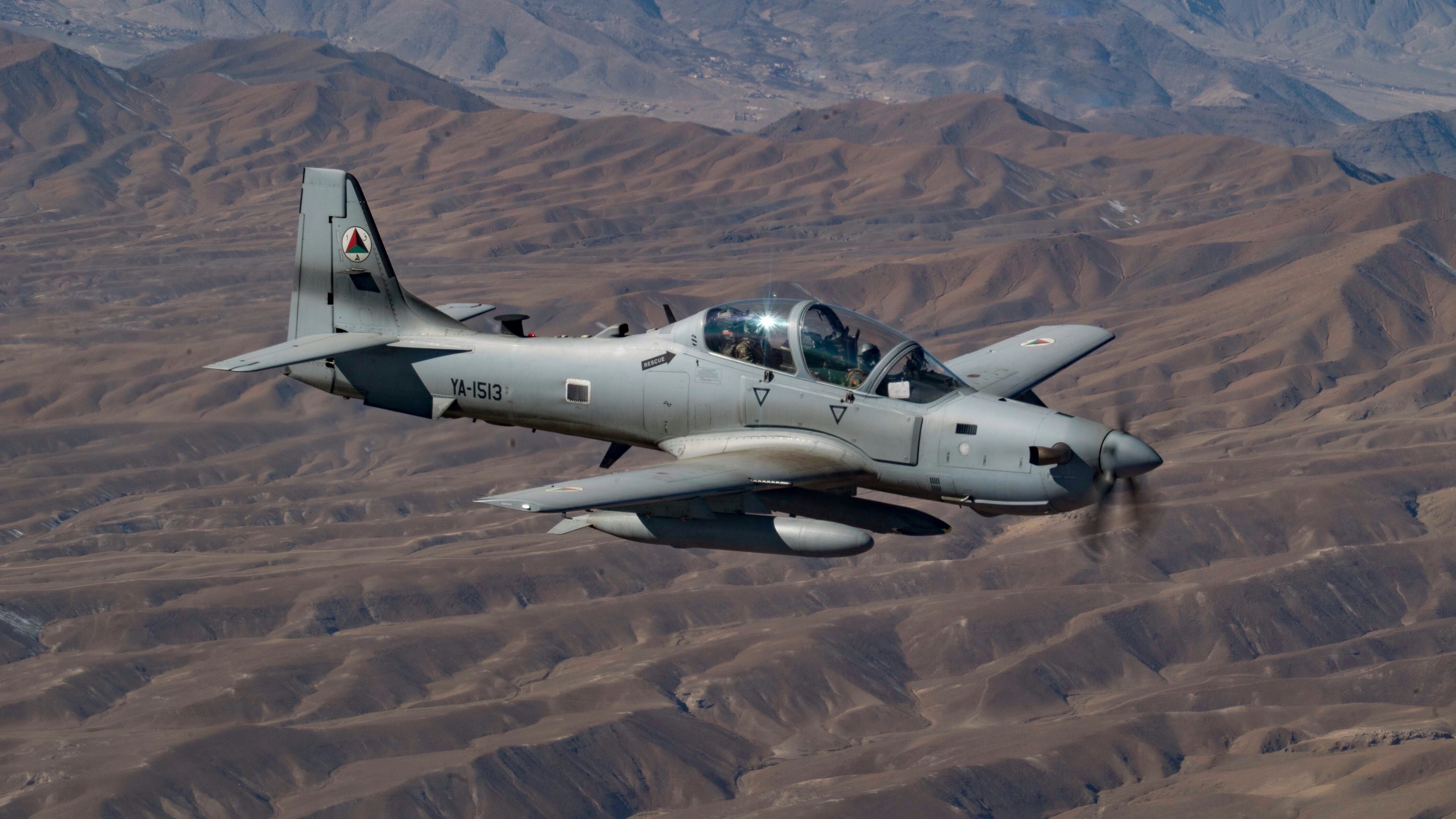
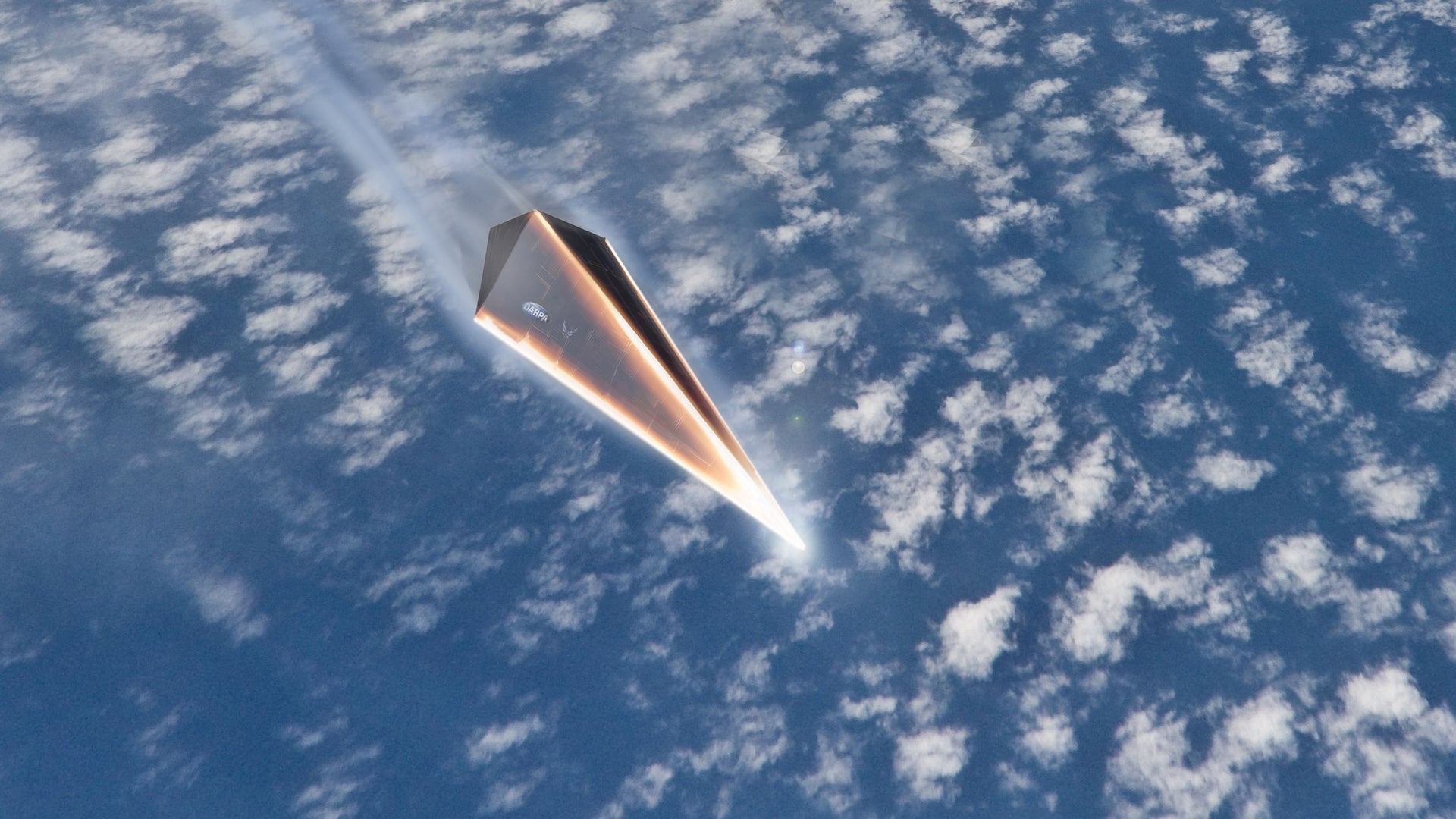
Space and Hypersonic Vehicles: For spacecraft pressure vessels, launch vehicle components, and hypersonic vehicle skins, the cryogenic-to-high-temperature capability, superb specific strength, and fatigue resistance of advanced titanium alloys are unmatched. They are key to withstanding intense thermal-mechanical cycling.
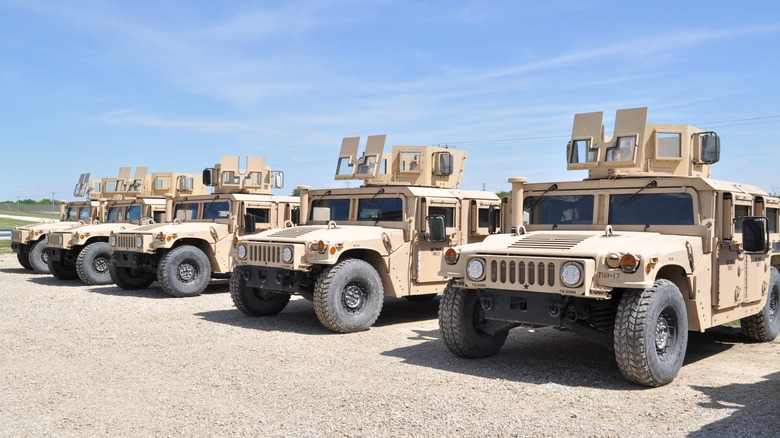
Armored Vehicles and Naval Systems: The marine corrosion resistance of titanium, coupled with the ballistic protection offered by high-hardness alloys, makes it a premium material for lightweight armored personnel carriers, submarine pressure hulls, and shipboard components, enhancing mobility and survivability.
The Future Trajectory
Research is pushing towards "smart" microstructural design using machine learning to predict optimal heat treatment paths for targeted property sets. The integration of in-situ monitoring during AM builds promises guaranteed mechanical performance. Furthermore, the drive for cost reduction through improved recycling of high-value scrap and more efficient near-net-shape processes will be crucial for expanding the use of these premium materials into more subsystems.
Conclusion
The innovation in advanced high-strength, tough titanium alloys represents a strategic pivot from material selection to material design. By mastering the interplay between composition, multi-scale microstructure, and innovative processing, engineers are creating titanium solutions that offer a previously unattainable balance of hardness, strength, and damage tolerance. These materials are not merely incremental improvements; they are foundational technologies enabling the leap towards more agile, durable, and capable military and aerospace systems that define the cutting edge of global engineering.