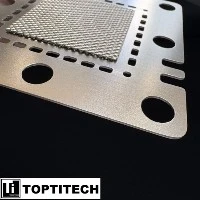

Titanium felt, a porous, highly conductive, and corrosion-resistant material, has emerged as a critical component in modern electrolyzer systems, It plays a pivotal role in enabling scalable green hydrogen production. As industries shift toward green energy solutions like hydrogen production, the demand for durable and efficient electrolyzer materials has surged, making it very important to understand the role of titanium felt in the electrolyzer.


Fundamental Principles of Titanium Felt in Electrolyzers
Electrolyzers use an electrochemical process to separate water (H2O) into hydrogen (H₂) and oxygen (O₂). Titanium felt serves as a gas diffusion layer (GDL) or electrode substrate due to its unique properties:
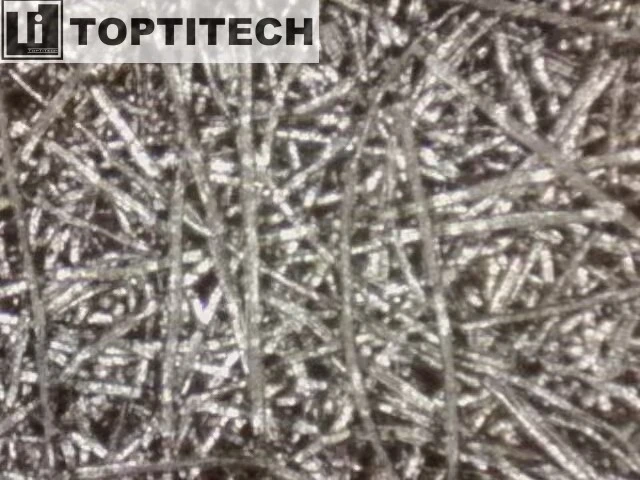
Porous Structure
Titanium felt's network of interconnected fibers creates high surface area pathways for:
Gas Diffusion: Efficient transport of H₂ and O₂ away from reaction sites.
Liquid Permeation: Uniform distribution of electrolytes (e.g., KOH in alkaline systems) or water (in PEM systems).
This structure prevents gas bubbles from clogging the electrode, ensuring uninterrupted reactions.

Electrical Conductivity
Rapid electron transport between the catalyst layer and the current collector is made possible by titanium's low resistance.
This minimizes energy losses and improves electrolyzer efficiency.
Electrochemical Stability
Titanium forms a passive oxide layer (TiO₂) in corrosive environments, protecting it from degradation in:
Acidic PEM electrolyzers.
Alkaline electrolyzers.
High-temperature solid oxide electrolyzers.

Catalyst Support
Titanium felt's rough surface provides anchoring sites for catalysts (e.g., iridium, platinum).
Enhances catalyst utilization and longevity by preventing detachment during gas evolution.
Key Functional Roles of Titanium Felt
1. Gas Diffusion Layer (GDL)
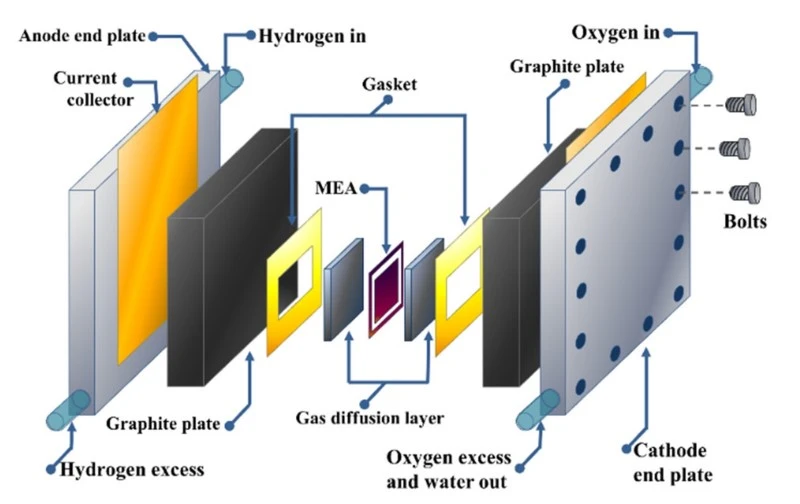
In proton exchange membrane (PEM) electrolyzers, titanium felt acts as the GDL, positioned between the catalyst-coated membrane (CCM) and the bipolar plate. Its roles include:
Gas Transport: Directs H₂ (cathode) and O₂ (anode) away from the catalyst to prevent blocking active sites.
Water Management: Allows water to reach the catalyst layer for continuous splitting while expelling excess to avoid flooding.
2. Electrode Substrate
In alkaline and PEM systems, titanium felt serves as a backbone for electrodes:
Current Distribution: Distributes electrical current evenly across the catalyst layer, preventing hotspots.
Mechanical Support: Maintains structural integrity under high-pressure conditions (e.g., 30–70 bar in PEM systems).
3. Corrosion-Resistant Barrier
In chlor-alkali electrolyzers (producing chlorine and NaOH), titanium felt withstands:
Chlorine-rich environments at the anode.
Caustic soda (NaOH) at the cathode.
This eliminates material degradation seen in traditional steel or nickel meshes.
4. Thermal Management
The high thermal conductivity of titanium aids in the dissipation of heat produced during high-current-density operation.
Prevents overheating, which can warp components or reduce catalyst activity.