

A cutting-edge system integrating solar energy with advanced desalination and electrolysis technologies has emerged as a dual-purpose solution for sustainable energy and water production. By leveraging photovoltaic panels to harvest sunlight, the process initiates with seawater intake through multi-stage filtration systems. Reverse osmosis membranes or electrodialysis modules remove ionic species and dissolved solids, producing ultrapure feedwater for downstream electrolysis. This pretreatment step is critical to prevent catalyst degradation and membrane fouling in the electrolyzer stack.
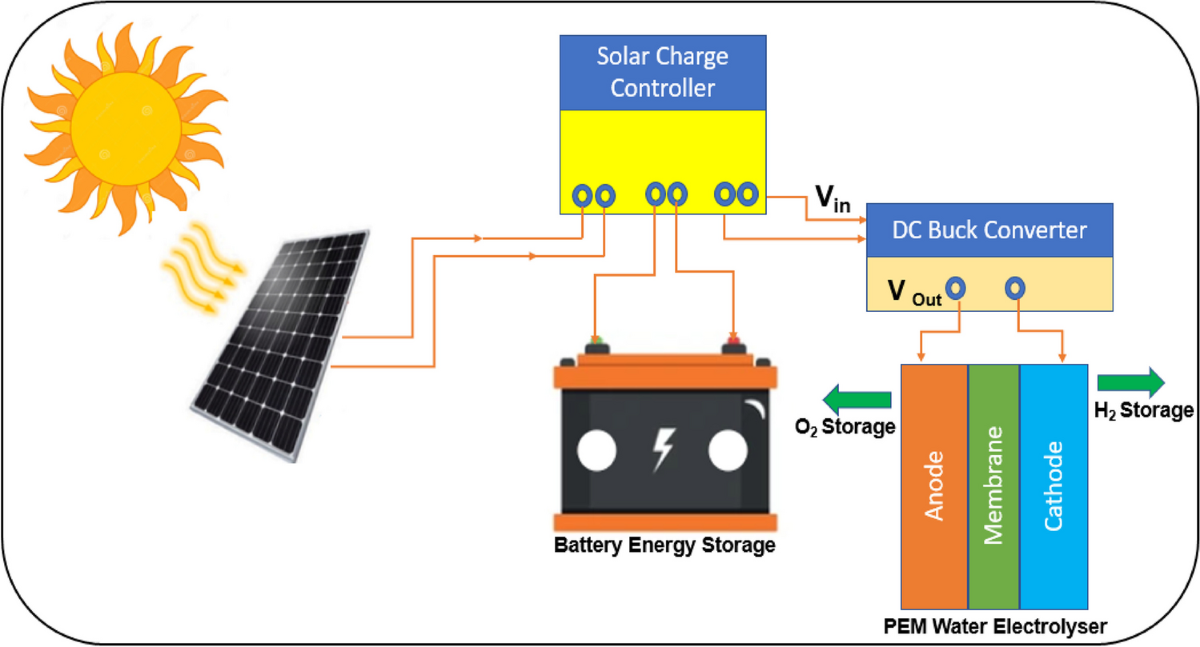
The purified water undergoes proton exchange membrane (PEM) electrolysis, where solar-generated electricity splits water molecules into high-purity hydrogen gas and oxygen. Hydrogen is then compressed via multistage ionic compressors or stored in metal hydride tanks for energy applications, while oxygen byproducts can be utilized in industrial oxidation processes. Concurrently, residual desalinated water passes through UV disinfection and mineral balancing stages, yielding potable water compliant with WHO drinking standards. Concentrated brine streams are minimized through closed-loop recovery systems, addressing marine ecosystem concerns.
This co-generation architecture demonstrates exceptional synergy between renewable energy and resource recovery. The system's modular design enables scalability for decentralized coastal communities, maritime vessels requiring on-board fuel synthesis, or emergency infrastructure in disaster-stricken regions. PEM electrolyzers coupled with solar microgrids eliminate reliance on fossil-derived power, achieving carbon-neutral hydrogen production. Technical challenges persist in optimizing membrane longevity under high-salinity conditions and improving energy efficiency across photovoltaic-electrolyzer interfaces. Recent advances in bifacial solar cells and alkaline anion-exchange membranes show promise for boosting overall system productivity.
As global interest in green hydrogen intensifies, this integrated approach presents a viable pathway for coastal regions to address energy security and freshwater scarcity simultaneously. Future iterations may incorporate AI-driven salinity monitoring and hybrid photovoltaic-thermal collectors to enhance operational stability. With continued innovation, solar-powered seawater splitting could redefine sustainable resource management in the hydrogen economy era.