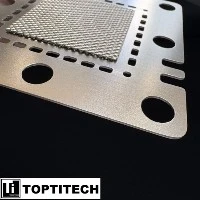

Titanium alloy components, crucial products in modern manufacturing, are crafted through precision processing of titanium alloy materials. Titanium alloys, renowned for their high strength, toughness, low density, and unique alloy composition (primarily titanium with additions of aluminum, vanadium, and other alloying elements), exhibit exceptional overall performance.
I. Distinctive Characteristics of Titanium Alloys
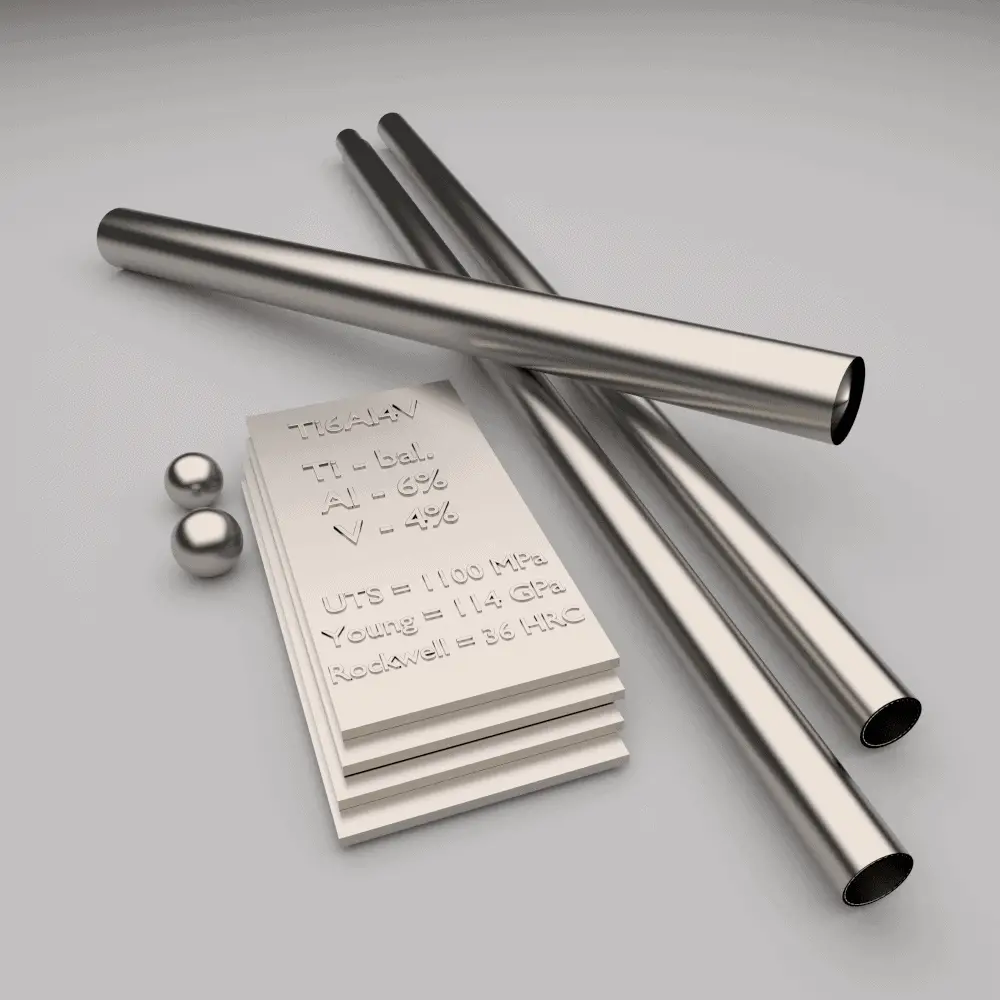 High Strength and Low Density: With a density of approximately 4.5g/cm³, about half that of steel, titanium alloys offer comparable or even higher strength than steel. This characteristic makes titanium alloys the preferred material for lightweight design, significantly reducing weight while ensuring structural integrity.
Outstanding Corrosion Resistance: Titanium alloys excel in various corrosive environments, including seawater, saltwater, acidic solutions, and alkaline solutions. This superior corrosion resistance enables titanium alloy components to perform exceptionally well in diverse challenging environments.
Heat Resistance and Oxidation Resistance: Titanium alloys maintain their mechanical properties and stability at high temperatures, resisting oxidation reactions effectively. This feature makes titanium alloy components particularly suitable for high-temperature working environments.
Good Machinability: Despite their high hardness, titanium alloys can be precision machined by selecting appropriate processing techniques and equipment. Additionally, titanium alloys exhibit good ductility and malleability during processing, facilitating the formation of complex shapes and structures.
II. Advanced Manufacturing Techniques for Titanium Alloy Components
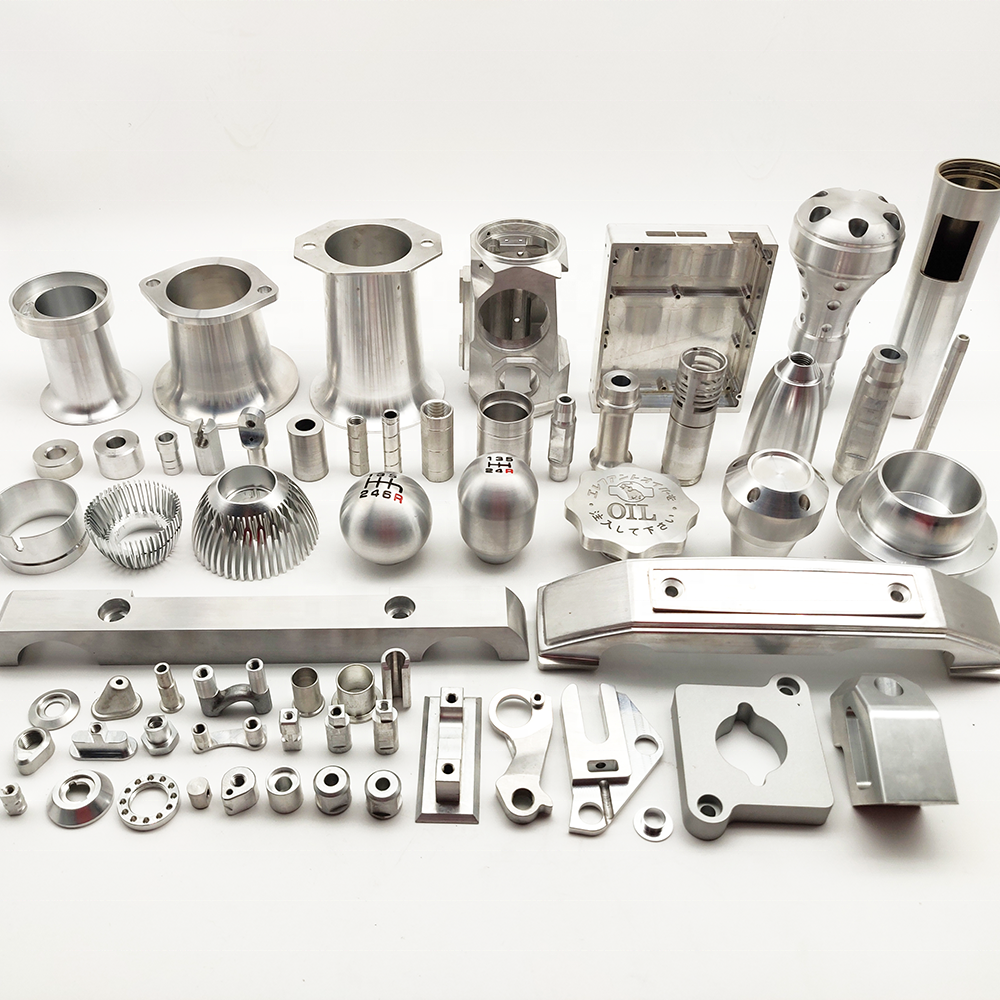 Machining: Machining is one of the most commonly used methods in titanium alloy component manufacturing. Due to the high hardness of titanium alloys, machining can generate high temperatures and tool wear, necessitating the selection of suitable cutting parameters and tool materials such as carbide, ceramics, and cubic boron nitride. Advanced machining techniques like high-speed cutting and dry cutting further enhance the efficiency and surface quality of titanium alloy components.
Forming: Forming processes such as forging, rolling, and stretching are essential for manufacturing titanium alloy components in various shapes and sizes. These forming techniques not only enable precise processing of titanium alloys but also enhance the mechanical properties and stability of titanium alloy components.
Surface Treatment: Rigorous surface treatment is essential during the processing of titanium alloy components. Common surface treatment methods include sandblasting, polishing, and anodizing, which improve the surface quality, corrosion resistance, and aesthetics of titanium alloy components.
Quality Control: Strict quality control measures are crucial during the processing of titanium alloy components. Utilizing advanced inspection technologies such as ultrasonic testing, magnetic particle inspection, and penetrant testing allows for precise detection of internal defects and surface quality of titanium alloy components. Establishing rational quality control standards and processes ensures that the processing quality and performance of titanium alloy components meet design requirements.
In conclusion, the widespread application of titanium alloys in manufacturing industries is attributed to their outstanding performance. The continuous advancement and refinement of titanium alloy processing techniques provide robust support for the development of titanium alloys in manufacturing. With ongoing innovation and development in titanium alloy processing technologies, titanium alloy components will continue to demonstrate their unique advantages and value across various fields.