


Titanium, as an abundant metal element in the Earth's crust, surpasses copper by an astonishing factor of over 60. This unique metal possesses remarkable properties that make it a versatile material for various applications. Titanium is known for its lightweight nature, weighing only half as much as steel for the same volume, while being twice as hard as aluminum. Additionally, despite being a metal, titanium is non-magnetic, opening up limitless possibilities for its use in numerous fields.
Titanium alloys, in particular, have garnered significant attention due to their exceptional performance. They exhibit high strength, corrosion resistance, heat resistance, and inherent antimicrobial properties, making them the preferred choice in many high-tech industries. From the vast domains of aerospace and maritime sectors to precision military equipment, from complex petrochemical industries to the rapidly evolving automotive manufacturing sector, and even in the field of medicine, titanium alloys are widely used as artificial instruments or implants, greatly improving the quality of life. In everyday life, titanium alloys such as titanium plates, tubes, and wires are also commonly seen, adding a touch of technological sophistication to our lives.
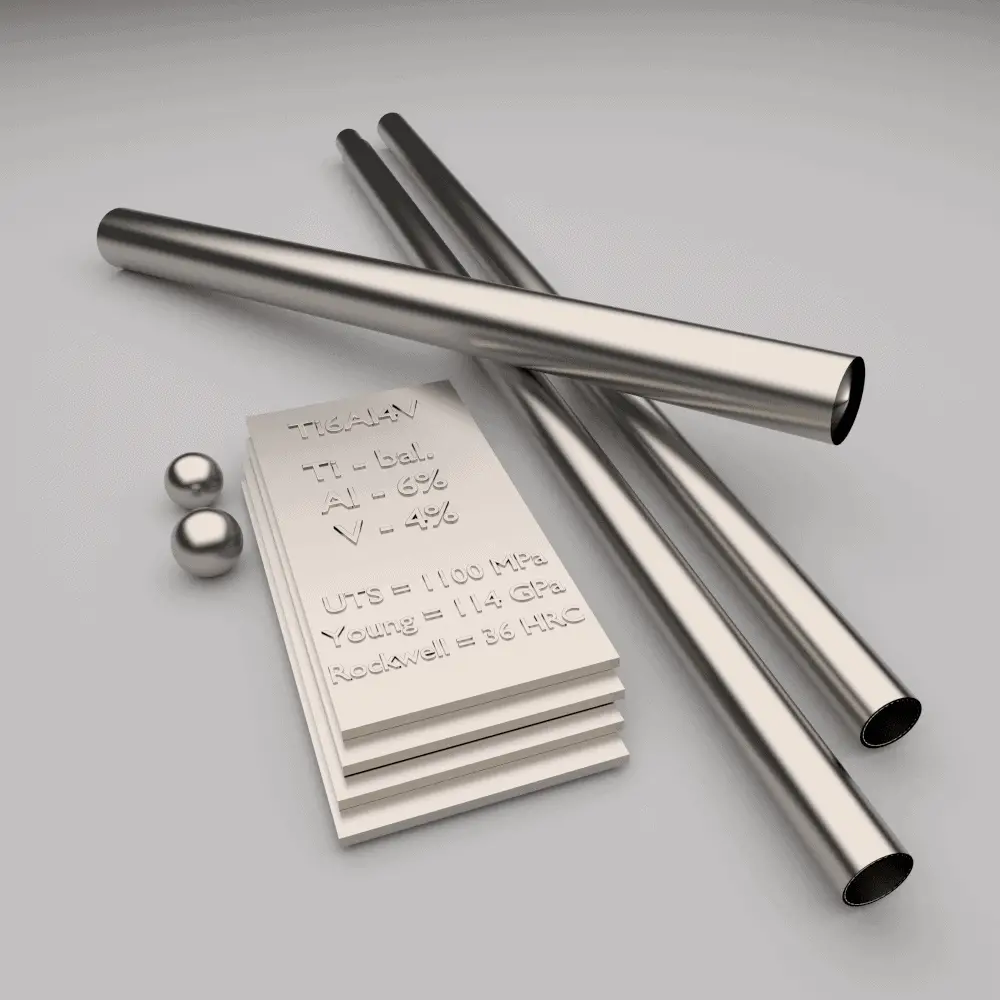
Pure Titanium
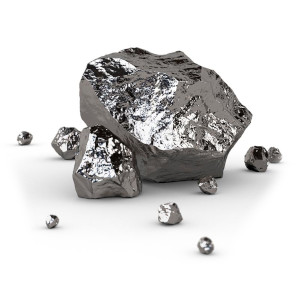
However, when we shift our focus to the realm of high-purity titanium, we discover a domain filled with both challenges and opportunities. High-purity titanium, as an emerging and excellent material, also holds vast application prospects. However, the complex production processes lead to high manufacturing costs, limiting its large-scale application to some extent. Moreover, countries like the United States and Japan have imposed strict export restrictions on high-purity titanium, which undoubtedly poses significant pressure on the research, development, and application of high-purity titanium in our country.
In the face of these circumstances, it has become an urgent task for us to research, develop, and improve the production processes of high-purity titanium and ultra-high-purity titanium. Only through continuous technological innovation and breakthroughs can we break through foreign technological barriers and market monopolies, achieve independent supply of high-purity titanium, and promote its widespread application. This not only pertains to our core competitiveness in the field of new materials but also relates to the long-term national security and economic development.