


TA5 titanium alloy consists of titanium (Ti), aluminum (Al), and trace amounts of boron (B). It is primarily composed of α-phase solid solution, which remains stable at both ambient and elevated temperatures. The alloy exhibits high wear resistance compared to pure titanium and possesses excellent oxidation resistance. However, its strength at room temperature is relatively low.
Processing Challenges of TA5 Titanium Alloy
TA5 titanium alloy presents certain processing challenges that require special considerations and techniques to overcome:
Poor Machinability: TA5 titanium alloy is difficult to machine, demanding the implementation of specific process measures and technical approaches during production.
Susceptibility to Impurity Absorption: During thermal processing, TA5 titanium alloy tends to absorb impurities such as hydrogen, oxygen, nitrogen, and carbon, which can adversely affect its properties. Strict control of process parameters and environmental conditions is necessary to minimize impurity absorption.
Limited Wear Resistance: TA5 titanium alloy exhibits relatively lower wear resistance. Additional measures such as surface treatments and coatings may be required to enhance its wear resistance for specific applications.
Complex Production Processes: The unique properties and challenges associated with TA5 titanium alloy necessitate complex production processes. Various steps, including melting, casting, heat treatment, and precision machining, are employed to ensure the final product's quality and performance.
Processing Methods for TA5 Titanium Alloy
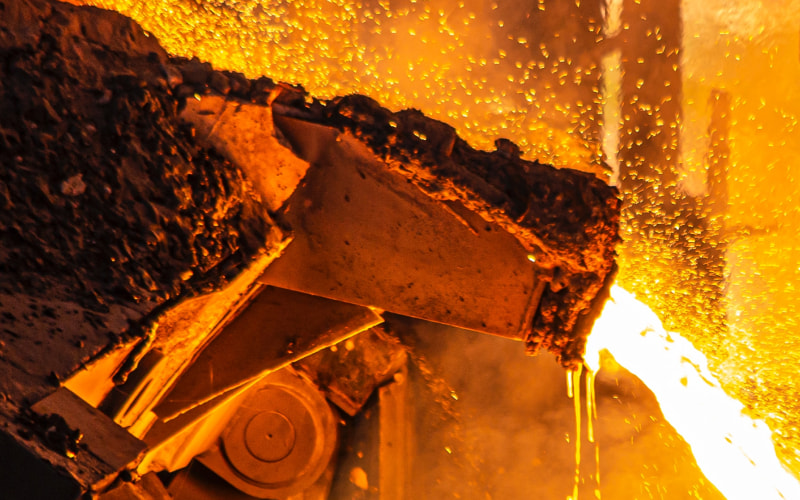
Melting
Melting of TA5 titanium alloy is typically performed using equipment like vacuum consumable electrode arc furnaces to ensure alloy purity and uniformity.
Casting
Suitable casting techniques such as sand casting or precision casting are selected based on specific requirements.
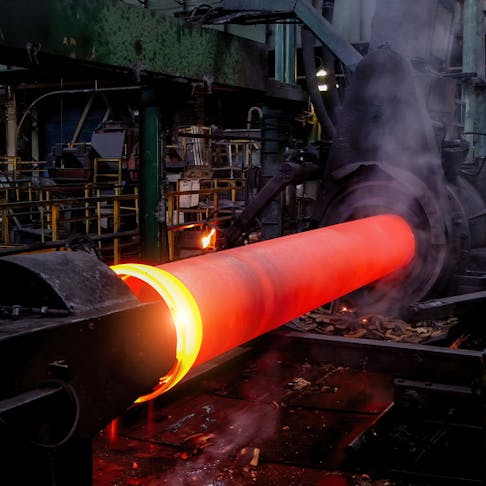
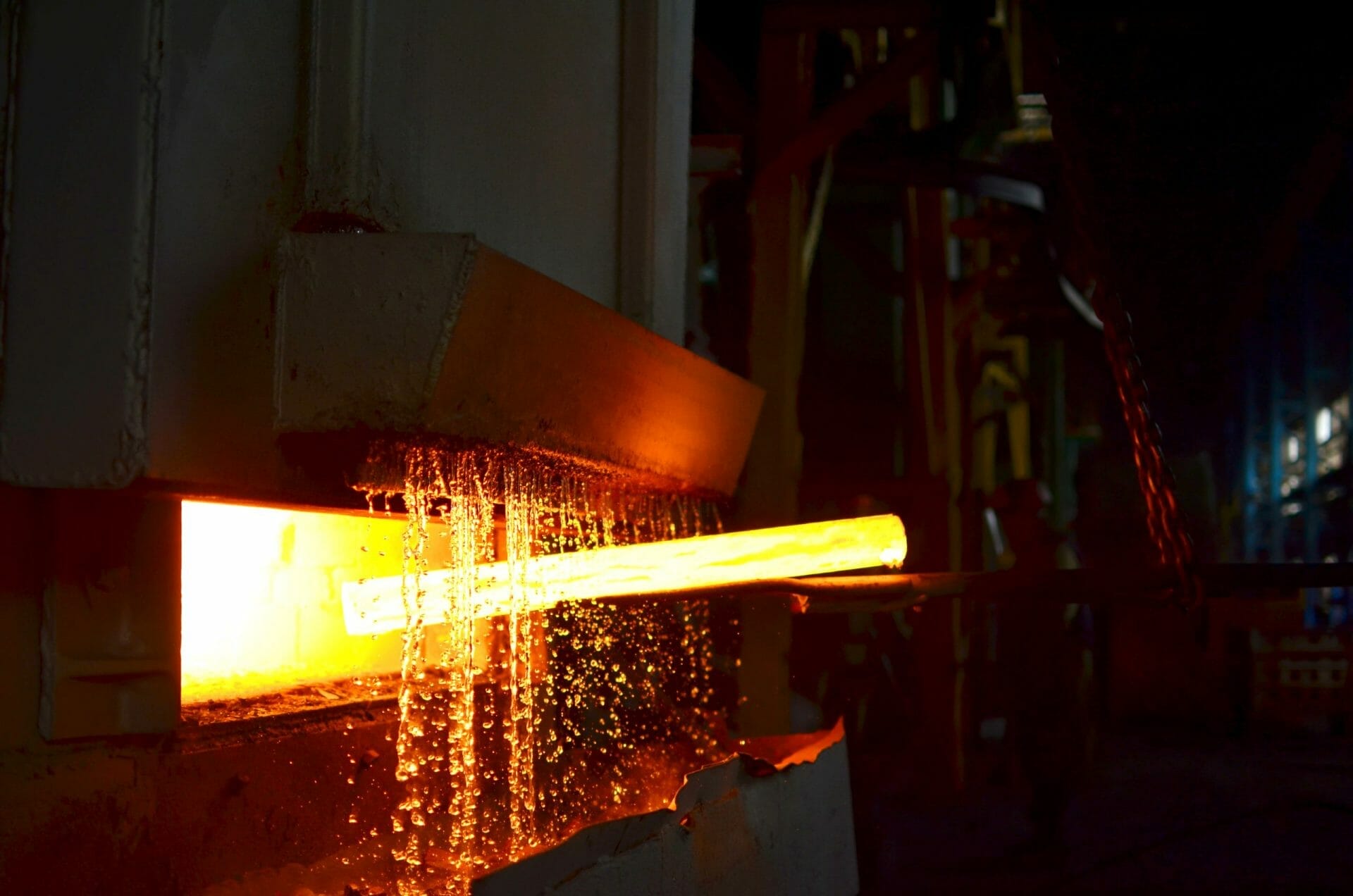
Heat Treatment
While TA5 titanium alloy is not typically subjected to heat treatment strengthening, appropriate heat treatment can improve its microstructure and properties. Annealing, for instance, can eliminate processing stresses and enhance the alloy's ductility.
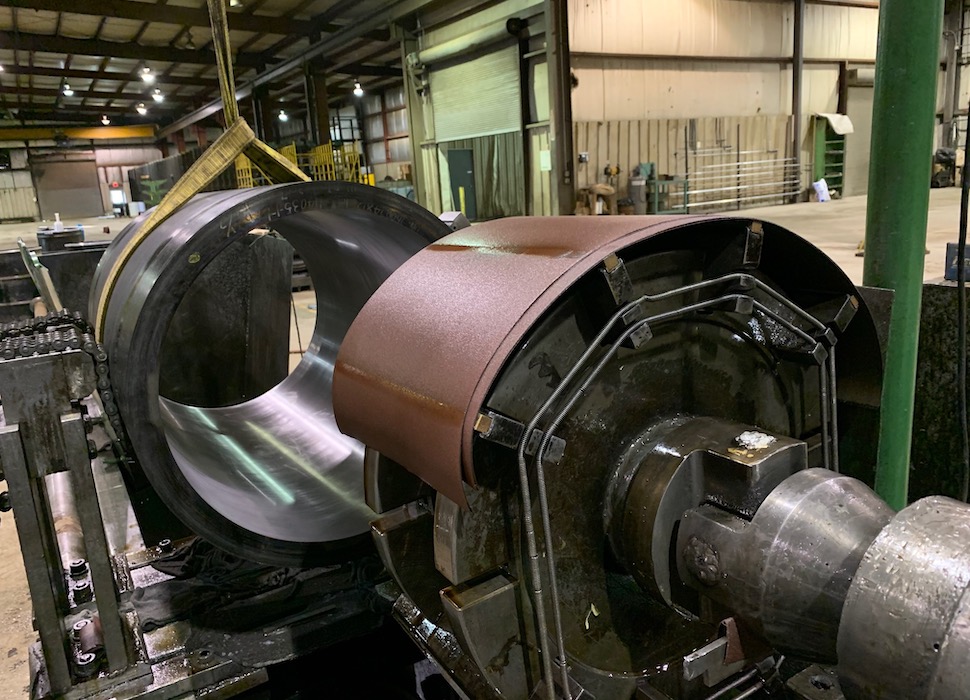
Precision Machining
Precision machining methods like cutting and grinding are employed to achieve the desired dimensions and surface roughness for the alloy components.
Applications of TA5 Titanium Alloy
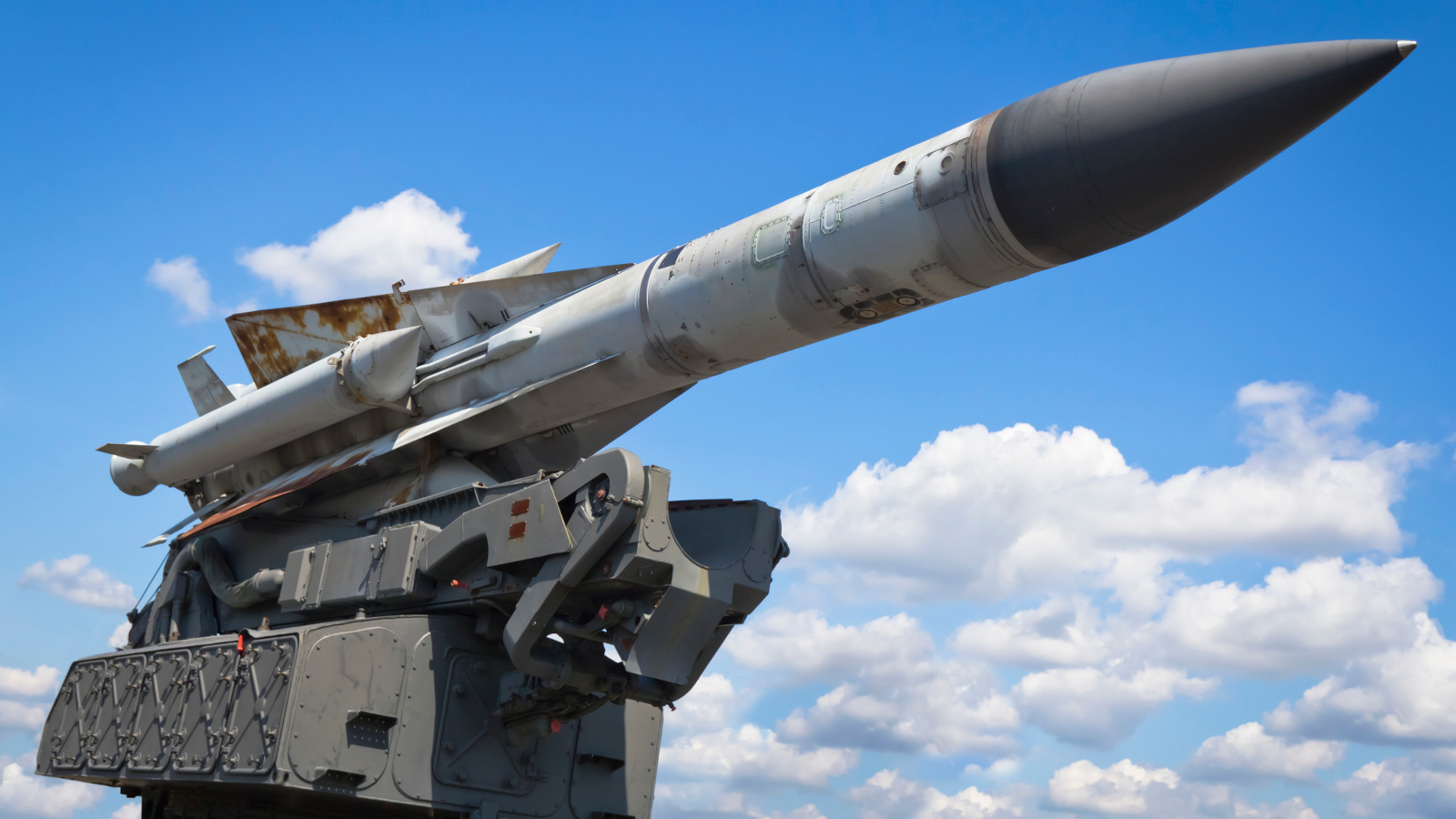
The exceptional oxidation resistance, wear resistance, and high-temperature performance of TA5 titanium alloy make it suitable for a wide range of applications, particularly in aerospace, aviation, and chemical industries. Some notable applications include:
Aircraft Engine Compressor Components: TA5 titanium alloy is utilized in the production of compressor components for aircraft engines due to its high-temperature stability and corrosion resistance.
Structural Components for Rockets and Missiles: The alloy's properties make it suitable for manufacturing structural components in rockets and missiles, where strength, durability, and resistance to harsh environments are crucial.


