
Titanium metal is widely used in various industries due to its excellent properties, including high strength, low density, and outstanding corrosion resistance. One of the key manufacturing processes for titanium components is extrusion casting, which offers versatile methods for shaping titanium alloys with complex geometries.
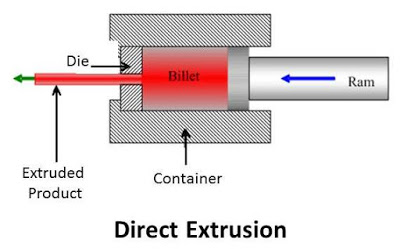
Direct extrusion casting involves injecting molten titanium metal into an open mold, followed by rapid mold closure and the application of high pressure. Under the influence of pressure, the titanium metal solidifies while undergoing slight plastic deformation, resulting in dense billets or parts. This method necessitates strict control over the melting temperature and casting speed to prevent metal oxidation and gas entrapment.
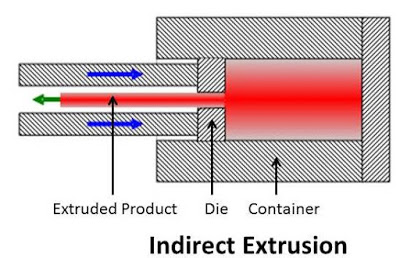
Indirect extrusion casting employs a punch to apply high pressure to molten or semi-solid titanium metal, forcing it into a closed mold cavity for solidification and shaping. This technique enables better control over metal flow and solidification processes, thereby reducing the occurrence of defects in the final products.
Material Research in Titanium Metal Extrusion Casting
Material research in titanium extrusion casting focuses on not only the fundamental physical and chemical properties of titanium metal but also the modification, alloying, and composite aspects of the material.
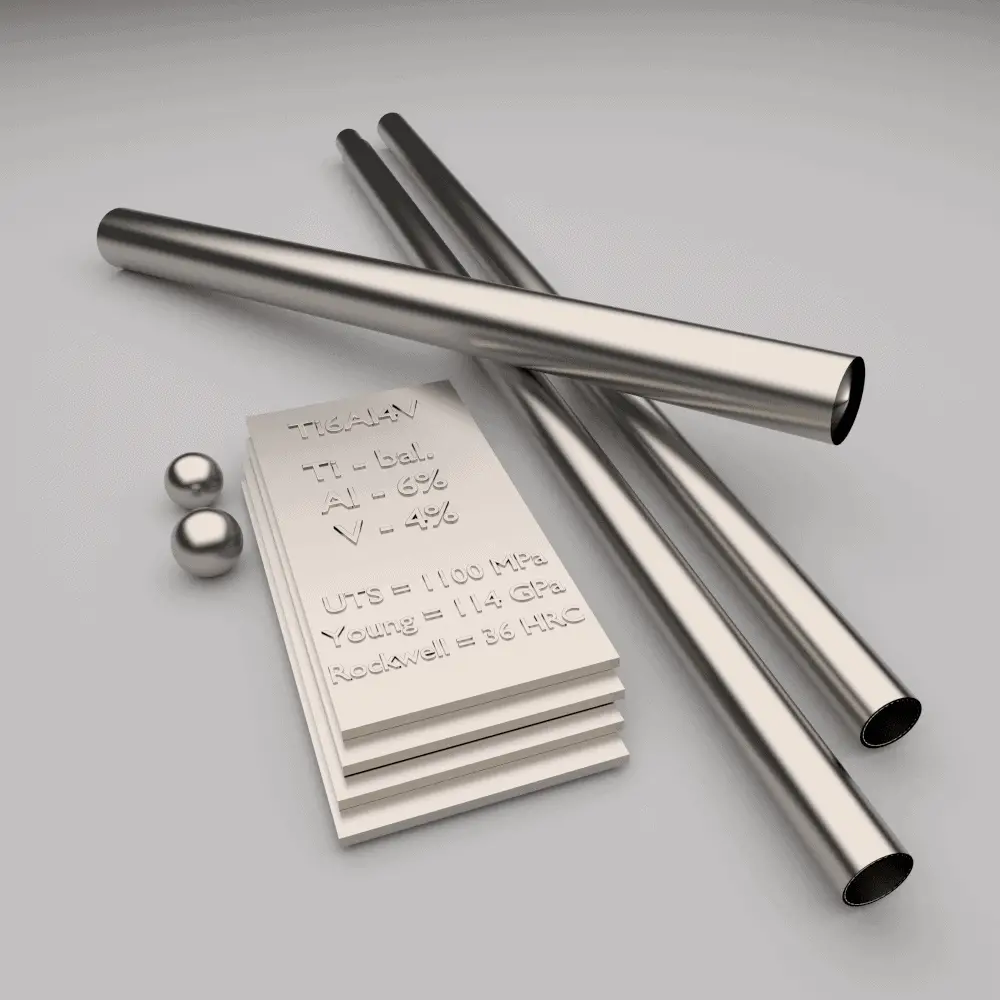
Titanium Alloys
By incorporating suitable alloying elements such as aluminum, vanadium, and molybdenum, the strength and corrosion resistance of titanium metal can be further improved, meeting a wide range of application requirements.

Titanium-Based Composites
Titanium-based composites, formed by combining titanium metal with ceramics, intermetallic compounds, or other reinforcing phases, offer exceptional overall performance. These composites hold immense potential in fields such as aerospace, defense, and other high-performance applications.
Titanium metal extrusion casting techniques provide versatile means for shaping titanium alloys into complex geometries required in various industries. The direct and indirect extrusion casting methods offer distinct advantages and require stringent control over process parameters to ensure high-quality components. Additionally, ongoing material research in titanium extrusion casting focuses on enhancing the properties and performance of titanium alloys through alloying and composite approaches. These advancements contribute to the continual improvement and broader applications of titanium-based materials in critical sectors.