
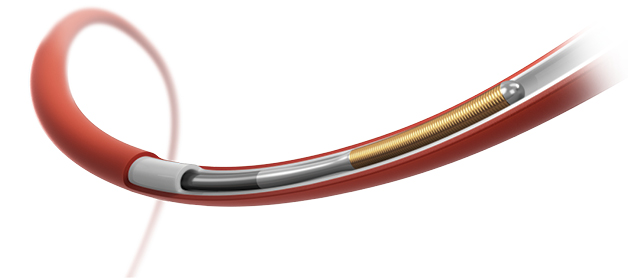
In the realm of precision medical device manufacturing, nickel titanium wire stands as a vital material renowned for its unique shape memory effect, superelasticity, exceptional biocompatibility, and corrosion resistance. Particularly in the production of intricate medical intervention instruments like cardiac stents and vascular guidewires, nickel titanium wire plays a pivotal role. Laser welding technology, with its attributes of high precision, efficiency, and low impact, is gradually emerging as the preferred method for welding medical-grade nickel titanium wire.
Laser welding technology harnesses a high-energy density laser beam to achieve rapid heating and melting at the precise focus position and power output, ensuring the seamless and aesthetically pleasing welding of nickel titanium wire joints. This process not only guarantees a smooth weld seam but also achieves a welding precision at the micron level, perfectly preserving the fine structure of the wire. Moreover, the rapid heating and cooling characteristics of laser welding effectively reduce the heat-affected zone, mitigating any decline in material performance and ensuring the quality and stability of the welded joints.

The advantages of this process
- Enhanced Quality and Cost Efficiency:
High precision and low distortion: Laser welding's accuracy preserves the structural integrity of nickel titanium wire, reducing deformation and stress concentration during welding, thereby enhancing overall product quality.
Efficient production: The high-speed nature of laser welding significantly shortens production cycles, boosts efficiency, and meets the growing demands in the medical device market.
Low heat-affected zone: A small heat-affected zone minimizes material performance interference, aiding in maintaining the excellent properties of nickel titanium alloys and extending product lifespan.
Clean and non-polluting: Non-contact processing in laser welding avoids mechanical damage and contamination issues present in traditional welding methods, ensuring the cleanliness and safety of medical-grade nickel titanium wire.
- Quality Assurance:
After laser welding, a series of stringent quality inspection methods, including weld seam visual inspection, dimensional measurement, strength testing, etc., are employed to ensure that the weld seam quality meets the high standards and stringent requirements of the medical device industry. This commitment not only upholds product quality but also assures patient safety.
In conclusion, laser welding technology plays a crucial role in shaping the precise manufacturing of medical-grade nickel titanium wire, offering a blend of accuracy, efficiency, and quality that are vital in the production of advanced medical devices.