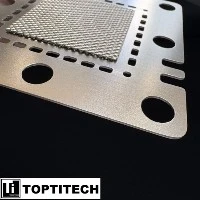

Porous titanium plates have emerged as a pivotal material in modern electrolyzer systems, owing to their unique combination of corrosion resistance, mechanical strength, and structural adaptability. The inherent stability of titanium oxide (TiO₂) passivation layers enables prolonged operation in aggressive electrolytes, while the porous architecture enhances mass transfer and reaction kinetics. By offering a large surface area for electrochemical reactions and enabling smooth gas and ion transport, porous titanium plates not only enhance system efficiency but also ensure reliable long-term operation. These properties position them as a preferred choice for use as electrodes, current collectors, and gas diffusion layers in advanced electrolyzer technologies.


What are the advantages of using porous titanium plates in electrolyers?
1. Excellent Corrosion Resistance
- Titanium naturally forms a stable oxide layer (TiO₂) on its surface, which protects against aggressive electrolytes, acids, and alkalis commonly present in water electrolysis systems.
2. High Electrical Conductivity (with surface modifications or coatings)
- While raw titanium has modest conductivity compared to metals like copper, it becomes highly effective when coated with catalytic layers (e.g., platinum, iridium, ruthenium oxides). This allows efficient current transfer during electrolysis.
3. Porous Structure for Mass Transport
- The controlled porosity facilitates the passage of gases (hydrogen, oxygen, or other products) and ions. It improves electrolyte penetration, enhances reaction areas, and reduces gas bubble blocking.
4. Mechanical Strength and Stability
- Sintered porous titanium plates have excellent structural integrity even under high pressure, temperature swings, or long operation times in electrolyzers.
5. Large Surface Area for Reactions
- The interconnected pore network provides a high specific surface area, increasing active reaction sites and improving overall efficiency.
6. Biocompatibility and Safety
- Being non-toxic and stable, titanium materials don't release harmful contaminants into the electrolyte, ensuring safe hydrogen or oxygen production.