
As the global green hydrogen industry moves toward large-scale, high-current-density, and long-cycle industrial operation, the stability and service life of core components inside PEM (Proton Exchange Membrane) electrolyzers have become key factors determining project operating costs and stack reliability. Among all consumable and functional components, the Porous Transport Layer (PTL) is critical for anodic current collection, gas-liquid mass transfer, bubble removal, and MEA mechanical support. Platinized porous titanium plates have gradually replaced ordinary sintered titanium plates and carbon-based diffusion layers, becoming the mainstream high-reliability PTL material for commercial PEM water electrolyzers.
Limitations of Bare Porous Titanium PTL in PEM Anode Working Conditions
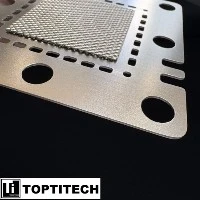
Sintered pure titanium plates feature controllable pore structure, high mechanical strength, and excellent acid resistance, making them ideal PTL substrates for PEM electrolysis. However, the PEM anode operates under extreme electrochemical conditions, including high anodic potential, strong acidic proton environment, and continuous oxygen evolution reaction (OER). Under long-term high-current-density operation ranging from 1.5 A/cm² to 2.5 A/cm², the uncoated titanium surface will spontaneously generate dense and insulating TiO₂ passivation layers.
This oxide layer cannot be eliminated through routine operation or water flushing. It steadily increases interfacial contact resistance, blocks micro-pore channels, damages the uniformity of gas-liquid diffusion, and eventually causes rising cell voltage, reduced hydrogen production efficiency, and accelerated stack performance decay. Raw titanium PTL oxidation degradation stands as a persistent technical roadblock limiting extended electrolyzer runtime, especially for commercial green hydrogen facilities designed for round-the-clock nonstop production.
How Platinized Coating Solves PTL Oxidation and Performance Degradation?

Platinum possesses superior electrochemical inertness and high conductivity, showing no oxidation, dissolution, or passivation under PEM anodic high-potential and oxygen-rich conditions. Industrial platinized porous titanium PTL adopts precise scale platinum deposition technology, forming a continuous, uniform, and high-adhesion platinum protective layer covering both the outer surface and internal pore walls of the sintered titanium substrate.
This modified structure brings two core functional improvements. First, the platinum layer physically isolates the titanium matrix from acidic electrolyte and oxidative working environments, fundamentally inhibiting the formation of insulating titanium oxide passivation films and maintaining stable low interfacial resistance throughout the entire service life. Second, the platinum coating provides auxiliary catalytic activity for the oxygen evolution reaction, optimizing surface electrochemical characteristics and effectively reducing stack ohmic loss during high-load operation.
This coating ensures full anti-oxidation coverage without blocking micropores, completely retaining the original high porosity and gas-liquid permeability required for efficient electrolysis mass transfer.
Core Application Advantages in Industrial PEM Electrolyzers
1. Excellent Long-Term Anti-Oxidation Stability
Platinized porous titanium plates resist electrochemical oxidation and acid corrosion under continuous OER working conditions. Industrial accelerated-cycle aging verifies that platinum-treated porous titanium transport layers sustain steady electrical conductivity and completely unobstructed pore architecture with negligible performance drop, making them ideal for extended-cycle industrial hydrogen manufacturing environments.
2. Improved Electrolysis Efficiency and Lower Energy Consumption
By eliminating interface resistance drift caused by titanium passivation, platinized PTLs stabilize cell voltage under high current density operation. The uniform platinum conductive layer ensures consistent current distribution, avoids local overheating and inefficient reaction zones, and effectively reduces the overall power consumption per cubic meter of green hydrogen.
3. Extended PTL and Stack Service Life
Compared with bare sintered titanium PTLs, platinum-modified products increase the component service life by over 60%. They greatly reduce the frequency of electrolyzer shutdown maintenance, core component replacement, and stack overhaul, significantly lowering the comprehensive operation and maintenance cost of commercial green hydrogen projects.
4. Superior Mechanical and Structural Compatibility
The base titanium matrix delivers robust mechanical ductility and outstanding compression resistance, whereas firmly adhered platinum plating resists flaking and structural breakdown amid prolonged erosion from evolving gas bubbles and circulating process water. It matches perfectly with high-pressure PEM electrolyzer stacks and high-current-density customized equipment.
Conclusion
The oxidation passivation of traditional porous titanium PTLs is an unavoidable technical defect in high-load PEM electrolysis. Platinum coating modification fundamentally solves the aging and failure problem of titanium substrates under anodic extreme working conditions. With stable anti-oxidation performance, consistent electrochemical conductivity, and long service life advantages, platinized porous titanium plates effectively improve the operational reliability of PEM electrolyzers and reduce the full-cycle cost of green hydrogen production. As the PEM hydrogen production industry continues to upgrade toward high efficiency and long life, platinized porous titanium PTLs will become a universal standard component for high-performance electrolyzer stacks.
Currently, platinized porous titanium plates are standard configuration for high-end commercial PEM electrolysis equipment. They are widely applied in GW-scale green hydrogen power stations, industrial high-pressure PEM electrolyzer stacks, off-grid new energy hydrogen production systems, and laboratory high-current-density electrolysis test platforms. Platinized titanium PTLs represent the most technically proven and economically viable material option for hydrogen production systems that demand uninterrupted runtime, consistent electrochemical performance, and minimal efficiency degradation over operating lifespans.