

Because of its special qualities and adaptability, nitinol alloy-a nickel-titanium shape memory alloy-has garnered a lot of attention in the medical community. This article highlights nitinol's noteworthy contributions to the area of interventional medicine and offers a thorough review of the drug's professional applications across a range of medical specialties.
Cardiovascular Interventions
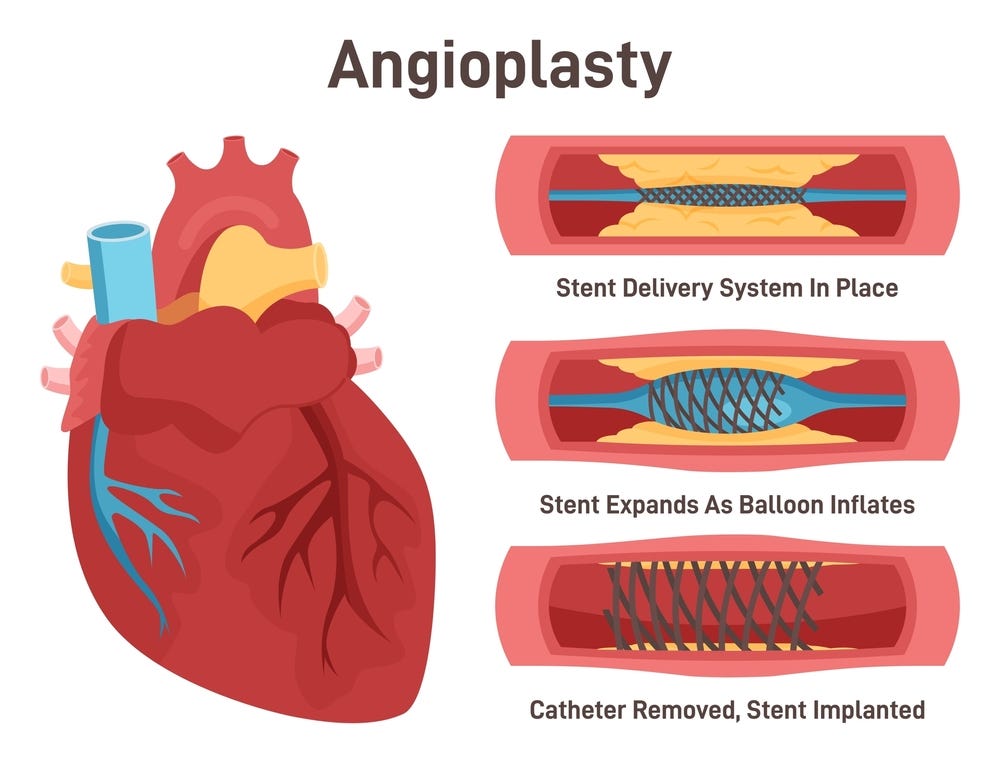
Stents: Nitinol stents are used to support and enlarge cardiac blood arteries in order to provide the best possible blood flow.
Devices like stents and balloons are guided and positioned using guidewires and catheters.
Thrombectomy Instruments: Instruments based on nitinol are used to remove thrombi from blood vessels.
Heart valves: Cardiac valve disorders are treated using nitinol heart valves.
Repair of Aneurysms: Arterial aneurysms are supported and repaired with nitinol implants.
Peripheral Vascular Interventions
Peripheral Vascular Stents: Nitinol stents preserve the patency of the vessel while treating peripheral arterial disorders.
Repairing Peripheral Artery Aneurysms: Nitinol implants help to support and mend aneurysms in the peripheral arteries.
Catheters and guidewires are instruments that place and direct other devices.
Treatment for Peripheral Artery Occlusion: When arterial occlusion occurs, nitinol devices permit blood flow to be restored.
Endovascular Interventions: The removal of plaques or thrombi from arteries is accomplished with nitinol instruments.

Cerebrovascular Interventions
Repair of brain Aneurysms: By offering structural support, nitinol implants treat brain aneurysms.
Treatment for Cerebral Arterial Stenosis: In order to restore normal blood flow, nitinol devices dilate vessels.
Embolization of Aneurysms: Techniques based on Nitinol stop the flow of blood to brain aneurysms.
Angioplasty: Nitinol instruments enhance cerebral vascular blood flow.
Treatment for Endovascular Aneurysms: Cerebral vascular malformations are managed with Nitinol instruments.
Electrophysiology Applications
Electrode Leads: Heart defibrillators and pacemakers employ nickel-based leads.
Neurostimulators: Neuro-related illnesses are treated with nitinol electrodes or components.
Electrophysiology Research Equipment: For scientific investigation, brain activity is recorded using microelectrodes or other probes.