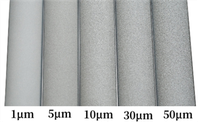

Aluminum foam is a innovative material gaining traction across multiple industries due to its exceptional lightweight nature and versatility. Produced by injecting a foaming agent into molten aluminum before solidification, it forms a porous cellular structure. This unique composition enhances strength while maintaining low density, along with excellent energy absorption capabilities.
Its wide-ranging applications make it valuable in sectors such as aerospace, automotive, construction, and defense. Aluminum foam serves as an efficient structural material, heat exchanger, sound dampener, and shock absorber, among other uses.
Production Process
Producing aluminum foam consists of multiple well-defined stages. Below is a clear step-by-step guide:
Step 1: Preheat the Furnace or Torch
Heat the furnace or gas torch to the target temperature range based on your materials and expected foam characteristics. Aluminum foam is typically produced at 700°C–1000°C.
Step 2: Melt the Aluminum
After reaching the desired temperature, add aluminum powder or granules into the crucible and allow complete melting. Stir occasionally to ensure uniform liquefaction.
Step 3: Introduce the Foaming Agent
Once melted, carefully add the foaming agent. It releases gas bubbles that expand, forming the porous structure of the foam. The quantity should align with your specific formulation.
Step 4: Add the Fluxing Agent
Incorporate the fluxing agent next to purify the molten aluminum and promote even pore distribution. Adjust the amount as required by your process parameters.


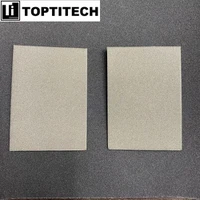

Step 5: Pour the Mixture into Molds
Once thoroughly mixed and impurity-free, pour the molten material into clean molds. Work swiftly, as the mixture begins to solidify during cooling.
Step 6: Cooling and Solidification
Allow the aluminum foam to cool and fully harden within the molds. Cooling times vary according to mold size, shape, and formula. Ensure complete solidification before demolding.
Step 7: Demold the Aluminum Foam
After cooling, gently remove the foam from the molds using a suitable release agent to avoid surface damage or sticking.
Step 8: Finishing the Foam
Perform post-finishing operations-such as sanding, polishing, or coating-to achieve specific surface textures or functional properties.
Following these steps guarantees the creation of consistent, high-quality aluminum foam. Note that recipes and settings may differ depending on application requirements.