
Titanium and titanium-clad steel plates are favored in demanding sectors like aerospace and medical technology for their exceptional strength-to-weight ratio and superior corrosion resistance. However, achieving flawless welds is often hampered by a critical challenge: cracking. This persistent issue compromises structural integrity and poses a significant barrier to manufacturing reliability. A deep dive into the metallurgical root causes reveals that hydrogen embrittlement is the primary antagonist, with its effects magnified by stress concentration and uncontrolled thermal cycles.
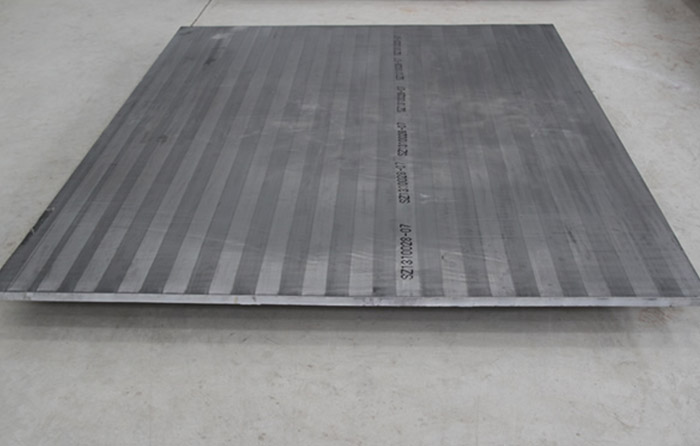
The central mechanism behind weld cracking is hydrogen-induced cold cracking. Hydrogen, originating from surface contaminants like moisture, oil, or atmospheric humidity, dissolves into the molten weld pool during the high-temperature arc phase. As the weld bead solidifies and cools, hydrogen solubility plummets. Excess hydrogen, trapped by rapid cooling rates, becomes supersaturated within the weld metal microstructure. This entrapped hydrogen then migrates to regions of high tri-axial stress, severely embrittling the metal and drastically reducing its ductility, thereby initiating micro-fissures.
This embrittlement process is critically accelerated by the synergistic effect of stress concentrators and local hydrogen accumulation. Notches, such as those from sharp undercuts or incomplete fusion, create localized stress fields. When supersaturated hydrogen diffuses to these high-stress zones, it lowers the critical stress intensity required for crack propagation. The combination of a brittle microstructure and concentrated tensile stress creates a perfect environment for crack formation and growth.
Environmental conditions, particularly during cooler seasons, exacerbate these risks. Lower ambient temperatures promote moisture condensation on material surfaces, introducing higher levels of hydrogen. Furthermore, the high thermal diffusivity of materials like thin-gauge titanium leads to extremely rapid heat dissipation. This accelerated cooling rate during welding severely curtails the available window for hydrogen to effuse from the solidifying weld, forcing its retention in a supersaturated state and heightening crack susceptibility.
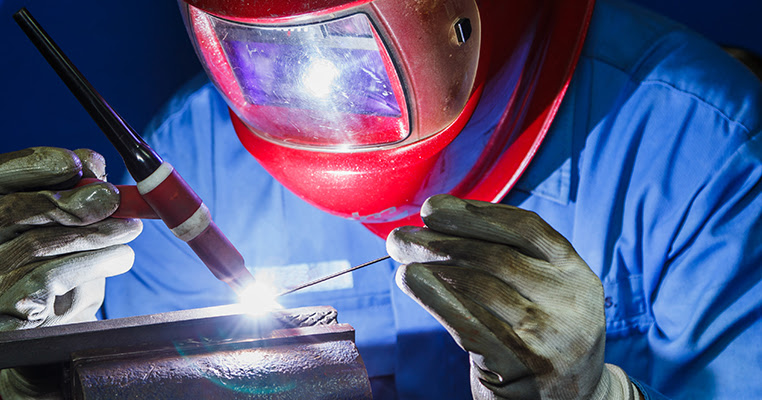
A robust mitigation strategy demands a comprehensive approach focused on hydrogen control and thermal management. The first line of defense is immaculate surface preparation. Both the base metal and filler wire must undergo rigorous mechanical and chemical cleaning to eliminate all hydrocarbon and hydroxide contaminants, thereby shutting off the primary hydrogen source at its origin.
Environmental and thermal controls form the second critical pillar. Maintaining a controlled welding environment is essential to prevent atmospheric moisture intake. For titanium-clad steel, preheating the substrate steel interface serves a dual purpose: it effectively drives off adsorbed moisture and, more importantly, reduces the weld's cooling rate. This slower thermal cycle grants dissolved hydrogen sufficient time to diffuse out of the weldment before it becomes trapped, effectively venting the potential for embrittlement.
Finally, meticulous welding procedure optimization is paramount. Precise calibration of heat input through parameters like current, voltage, and travel speed directly governs the weld's thermal profile. The objective is to establish a controlled, moderately slow cooling rate that facilitates hydrogen egress without adversely affecting the metallurgical structure or promoting excessive grain growth. In conclusion, preventing titanium welding cracks is not a matter of a single solution but a holistic system of interdicted hydrogen sources, managed thermal dynamics, and refined welding technique to ensure joint integrity and long-term performance.