
Within the intricate framework of industrial infrastructure, the unassuming flange emerges as a crucial connector, proficient in bridging gaps and establishing resilient connections. Serving as a flat, typically circular component, the flange plays a pivotal role in linking pipes, valves, and other equipment within a piping system. A closer examination of how the flange forms these connections, along with an exploration of its inherent advantages, reveals the significance of this seemingly straightforward yet highly effective engineering solution.
Mechanics of Flange Connection
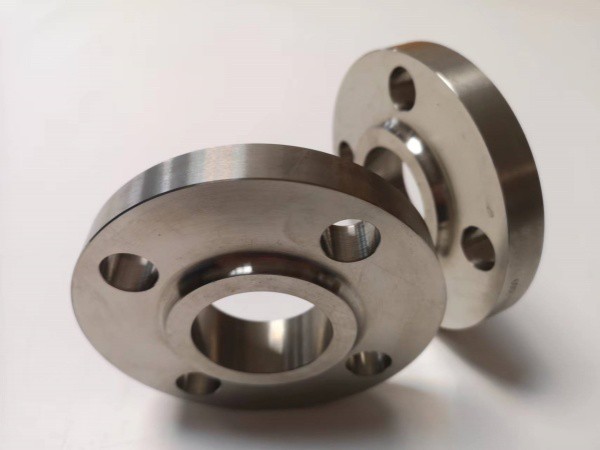
Fundamentally, the flange connection involves the mating of two flanges, each attached to the ends of pipes or equipment requiring integration. This connection is established through a set of bolts or studs securing the two flanges together, creating a sealed joint. Flanges come in various designs and types, tailored to specific needs dictated by the transported fluid or gas, pressure requirements, and environmental conditions.
Among the prevalent types is the weld neck flange, where the flange's neck is welded to the pipe, providing structural support and enhancing overall connection integrity. Additional types include slip-on flanges, socket weld flanges, and blind flanges, each designed to meet specific requirements regarding installation ease, pressure handling, and accessibility.

Advantages of Flange Connections:
Versatility
Flange connections showcase exceptional versatility, accommodating a diverse range of pipe sizes and materials. This adaptability renders flange connections suitable for an array of industries and applications.
Ease of Assembly and Disassembly
A fundamental advantage of flange connections lies in their straightforward assembly and disassembly. Bolting and unbolting flanges enable easy maintenance, repairs, or modifications to the piping system without requiring extensive downtime.


Facilitates Alignment
The design of flange connections eases the alignment of pipes and equipment. This feature proves invaluable during installation, ensuring a precise fit that minimizes stress on the components.
Sealing Integrity
When executed correctly, flange connections create a robust and sealed joint. The incorporation of gaskets between the flanges ensures a leak-free connection, even in high-pressure or corrosive environments.
Applicability to Various Industries
From chemical processing plants to oil refineries, and from aerospace applications to water treatment facilities, flange connections find application in diverse industries. The adaptability and reliability of this connection type contribute to its widespread usage.
Pressure Handling Capability
Flange connections are well-suited for applications requiring the handling of high pressures. The secure bolted joint ensures that the connection can withstand the forces exerted by pressurized fluids or gases.

Facilitates Expansion and Contraction
Piping systems undergo thermal expansion and contraction. Flange connections allow for some degree of movement, accommodating these changes without compromising system integrity.
Cost-Effective Solutions
The simplicity of flange connections contributes to cost-effective solutions. Their ease of installation, maintenance, and adaptability reduce overall project costs, making flange connections economically attractive.