
The process of beer sparging extends beyond a mere brewing step; it holds a pivotal role in extracting sugars and flavors from malted grains. In this post, TO will unravel the secrets of sparging, covering fundamental principles and advanced techniques that can elevate the quality and taste of your brews. Whether you are a homebrewer or a craft brewer, understanding the basics of sparging is essential.
1: Understanding Beer Sparging
Beer sparging involves rinsing the mashed grains to extract remaining sugars and flavors. It takes place after the mashing stage, where crushed grains combine with hot water to create a sugary liquid called wort. The primary goal of sparging is to collect the maximum amount of sweet wort while avoiding the extraction of undesirable compounds like tannins.
The Objectives of Sparging
Sparging serves two primary objectives:
1. Sugar Extraction: During mashing, enzymes break down grain starches into fermentable sugars. Sparging ensures these sugars are washed from the grain bed and collected for fermentation. These sugars are crucial for yeast, contributing to the beer's alcohol content and flavor.
2. Preventing Tannin Extraction: Tannins are bitter compounds that can negatively impact beer flavor and mouthfeel. Aggressive or excessively hot sparging can result in tannin extraction from grain husks. It is critical to sparge gently and control temperature to prevent tannin extraction.
Batch Sparging vs. Fly Sparging
Two main methods of sparging exist: batch sparging and fly sparging.
* Batch Sparging: This method involves adding the entire sparge water volume to the mash tun at once. After a brief mixing, the liquid is drained, and the process is repeated to maximize sugar extraction. Batch sparging is known for its simplicity and efficiency.
* Fly Sparging: Fly sparging entails slowly adding sparge water to the mash tun while simultaneously draining the wort. This method requires careful attention and equipment like a sparge arm to maintain a consistent water flow. Some brewers prefer fly sparging for its efficient sugar extraction capabilities.
Understanding the sparging technique that suits your brewing setup and recipe is crucial for achieving desired flavor and efficiency in the beer-making process.
2: Necessary Equipment and Ingredients
* Essential Equipment
1. Mash Tun: This vessel is where mashing and sparging occur, requiring temperature maintenance and a way to drain wort.
2. Sparge Arm (for fly sparging): A sparge arm assists in evenly distributing sparge water over the grain bed when using the fly sparging method.
3. Hot Water Source: A means to heat and control sparge water temperature, typically around 168°F (76°C).
4. Grain Bag or False Bottom: These prevent grain particles from clogging the drain while collecting wort.
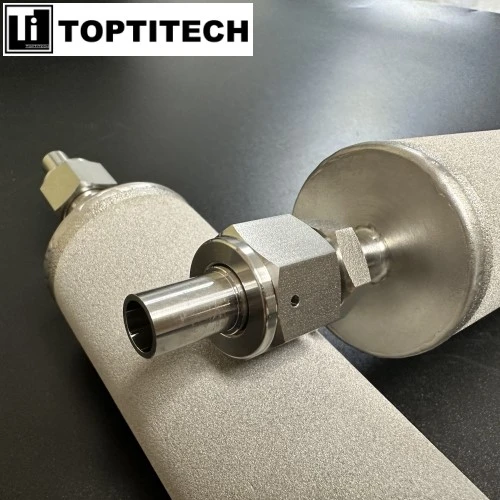
5. Sintered Sparger Tube: The Sparger Tube is vital for injecting oxygen or other gases into liquids to speed up the sparging process. It can be customized based on specific sparging requirements, such as different pore sizes and flow rates.
* Ingredients
1. Grains: Select high-quality malted grains suitable for your beer style, as they significantly influence flavor and color.
2. Water: Use clean, chlorine-free water with the appropriate mineral composition for your beer style.
3. Sparge Water Additives: In some cases, additives like calcium sulfate or calcium chloride may be necessary to adjust water chemistry for optimal sparging.

3: Preparing for Sparging
Several crucial steps must be taken before initiating the sparging process to ensure a smooth and successful sparge. Let's explore the preparation phase:
* Steps Leading up to Sparging
1. Mashing: The brewing process begins with mashing, where crushed grains combine with hot water in the mash tun. This causes the starches in the grains to be converted into sugars that can be fermented. The mash typically lasts an hour or longer, depending on your recipe.
2. Vorlauf: Before sparging, recirculate some wort (known as "vorlauf") to clarify it. Gently collect wort from the bottom of the mash tun and return it to the top. Vorlauf contributes to the end product's clarity by removing solid particles.
* Calculating Water-to-Grain Ratio
To determine the required sparge water amount, calculate the water-to-grain ratio. This ratio varies based on your specific recipe and brewing method but generally falls within 1.5 to 2.5 quarts of water per pound of grain.
* pH Measurement and Adjustment
pH plays a crucial role in the sparging process. It is recommended to measure the pH of your mash and sparge water. The ideal pH range for sparging typically falls between 5.2 and 5.6. Adjust the pH using food-grade acids or alkaline substances if necessary to ensure it falls within this range. Proper pH helps prevent tannin extraction and promotes efficient sugar extraction.
4: The Sparge Process
Steps ofI apologize, but it seems that the response was cut off before completing the explanation of the sparge process. Here's the continuation:
1. Heat Sparge Water: Heat the sparge water to the desired temperature, typically around 168°F (76°C). Maintaining consistent temperature is important for optimal sugar extraction and preventing tannin extraction.
2. Vorlauf: Before beginning the sparge, perform a vorlauf by gently collecting wort from the bottom of the mash tun and recirculating it to clarify the liquid by filtering out solid particles.
3. Sparge Method Selection: Choose either batch sparging or fly sparging based on your preference and brewing setup.
a. Batch Sparging:
i. Add Sparge Water: Add the entire volume of sparge water to the mash tun and stir gently to ensure even distribution. The water should cover the grain bed by a few inches.
ii. Rest: Allow the sparge water to rest for a few minutes to extract sugars.
iii. Lautering: Open the drain valve and collect the sweet wort. Repeat the process by adding more sparge water until the desired volume is reached.
b. Fly Sparging:
i. Start Fly Sparge: Begin slowly adding sparge water to the mash tun while simultaneously draining wort from the bottom.
ii. Maintain Flow Rate: Control the flow rate of sparge water to maintain a consistent level above the grain bed. Avoid disturbing the grain bed excessively, as it may lead to tannin extraction.
iii. Lautering: Continue the fly sparge until the desired volume of wort is collected.
4: Collecting Wort
During the sparge, collect the wort in a separate vessel, such as a brew kettle. Take care not to disturb the grain bed excessively, as it can result in grain particles entering the wort, leading to off-flavors and cloudiness.
5. Monitoring Runoff: Throughout the sparge process, monitor the runoff gravity and adjust the sparge rate if needed. The goal is to collect the maximum amount of sugars while avoiding tannin extraction.
6. Boil Preparation: Once the desired volume of wort is collected, proceed to the boiling stage of the brewing process. Boiling the wort helps sterilize it, extract hop bitterness, and initiate protein coagulation.
Remember, sparging is a critical step in the brewing process, and understanding the technique, equipment, and variables involved will help you achieve desirable results in terms of sugar extraction and flavor. Experimenting with different sparging methods and water-to-grain ratios can provide unique characteristics and enhance your brewing skills. Cheers to successful sparging and delicious beers!