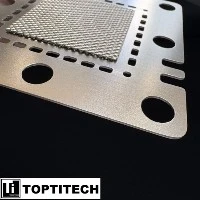
Titanium alloy stands as a paramount material in modern metallurgy, renowned for its exceptional strength-to-weight ratio and superior corrosion resistance. These properties secure its critical role across aerospace, marine engineering, medical devices, and luxury consumer goods. Understanding the specialized methods required to process this metal is essential for manufacturers aiming to leverage its full potential.
The development of titanium industrial processing, though relatively young compared to traditional metals, has progressed rapidly by building upon established metallurgical principles. Traditional metal-forming techniques provide a foundational framework, yet titanium's unique characteristics demand significant adaptations. Its low plasticity, high deformation resistance, and tendency to oxidize at elevated temperatures necessitate tailored solutions.

Central to titanium processing is thermomechanical plasticity-the application of controlled force to induce permanent deformation without fracture. This process transforms titanium ingots into wrought forms such as plates, strips, and foils through a sequence of highly controlled operations. Each stage must account for the material's sensitivity to temperature and deformation history.
Production of titanium plate, sheet, and foil involves multiple precise steps, including slab preparation, heating, hot rolling, warm rolling, and cold rolling. Hot rolling is particularly crucial for achieving desired microstructure and mechanical properties. Processing must be conducted within specific phase regions-avoiding excessive β-phase exposure-to refine grain structure and enhance final properties.
Warm rolling offers distinct advantages by reducing oxidation and eliminating intermediate annealing requirements. This method enhances efficiency and surface quality, particularly for intermediate gauges. For thinner foils, cold rolling followed by recrystallization annealing is employed to manage work hardening and achieve final dimensions while maintaining material integrity.
Critical to success is the precise control of processing parameters such as temperature, deformation rate, and total reduction rate. Alloy-dependent variables require careful optimization to prevent defects and ensure consistent performance. Microstructural control through recrystallization and phase transformation is imperative for achieving target properties in finished products.
The titanium processing sector continues to evolve amid growing demand from emerging industries including renewable energy and biomedical engineering. Advancements in rolling technology, atmosphere control, and process automation are driving improvements in quality and efficiency. Collaboration between industry and research institutions will be vital to overcoming ongoing challenges and expanding the applications of this exceptional material.
Future progress will depend on continued innovation in thermomechanical processing techniques, enabling more complex geometries and enhanced performance characteristics-further solidifying titanium's status as a material of choice for high-value applications.