


The relentless pursuit of oil and gas resources now targets extreme-depth wells and complex geological formations, environments characterized by aggressive corrosion, immense pressure, and elevated temperatures. These harsh downhole conditions push conventional steel tubulars to their operational limits, accelerating material failure and compromising well integrity. In this challenging landscape, titanium alloy drill pipe emerges as a transformative engineering solution, offering a unique combination of properties essential for safe and efficient extraction in the world's most demanding reservoirs.
The superiority of titanium alloys stems from their fundamental metallurgical characteristics. Exceptional corrosion resistance is paramount; titanium forms a stable, self-healing passive oxide film that provides outstanding immunity to sour service environments containing hydrogen sulfide and carbon dioxide. This film effectively resists pitting, crevice corrosion, and sulfide stress cracking, failure modes that commonly plague high-strength steels. Furthermore, titanium alloys exhibit an exceptional strength-to-density ratio, offering yield strengths comparable to high-grade steels at nearly half the weight, thereby reducing hook loads and improving dynamic handling performance.
This material synergy extends to high-temperature performance and specialized operational needs. Specific alpha-beta titanium alloys maintain superior tensile strength and resist creep deformation under continuous exposure to geothermal heat. Their non-magnetic nature is critical for enabling accurate downhole electromagnetic telemetry and logging-while-drilling data acquisition. Additionally, advanced welding techniques produce joint efficiencies that preserve the parent pipe's mechanical properties, ensuring reliability across the entire string.
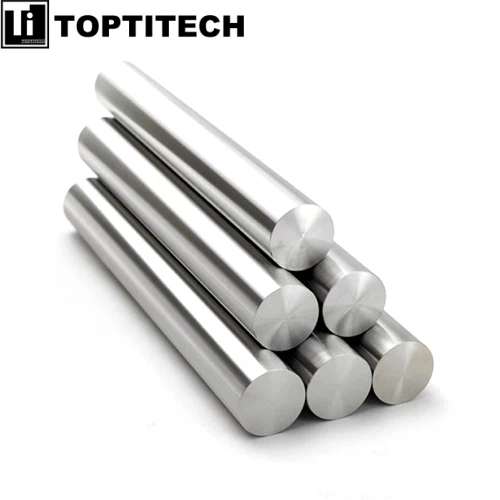


Field applications globally validate these technical advantages. International energy operators have successfully deployed titanium alloy tubulars in deepwater offshore projects and high-pressure, high-temperature wells, documenting significant lifecycle extensions and reduced intervention frequency. Domestic development, though initially trailing, has achieved notable milestones. Major national energy companies have introduced proprietary grades of titanium alloy tubing, deploying them in ultra-deep sour gas fields with remarkable success, demonstrating performance on par with premium nickel-based alloys while offering substantial weight savings.
Widespread adoption, however, confronts dual challenges of economic viability and specialized design. The high cost of certain alloying elements, crucial for peak performance, remains a significant barrier. Ongoing research focuses on developing leaner, cost-effective compositions without compromising critical properties. Concurrently, the industry requires more robust performance prediction models and comprehensive design standards tailored specifically to titanium's unique fatigue and buckling behavior in complex wellbores.
The trajectory for titanium alloy oil country tubular goods is one of accelerated integration. As exploration and production activities advance into more geologically strenuous frontiers, the demand for high-performance, reliable materials will intensify. Continued innovation in alloy design, manufacturing efficiency, and standardized engineering practices will solidify titanium's role as a cornerstone technology, enabling access to previously unrecoverable hydrocarbon reserves and bolstering the future of global energy security.


